Name of the Activity: Day Long Seminar on the Election Commission and the Special Intensive Revision of Electoral Rolls Organising Department: Political Science Type of Activity: Academic Seminar Date/ Duration of Activity (from-to): 7th February, 2026 Time: 10.00 am – 2.00 pm Details of Resource persons (Name, Designation, Affiliation, Area of Specialisation, etc):
- Dr. Biswanath Chakrabort, Professor, Department of Political Science Rabindra Bharati University, Kolkata
- Prof. Bimal Sankar Nanda, Associate Professor, Department of Political Science, Charuchandra College, Kolkata
- Shree Pramit Kumar Ray, Senior Advocate, Barrister-at-Law, Calcutta High Court
- Shree Tirthankar Das, Bureau Chief, West Bengal Bureau, Dainik Bhaskar
No. of Participants: 131 students and 26 Teachers Objective of the event: (i) To educate the students, about Election Commission and the Special Intensive Revision of Electoral Rolls and its significance; (ii) to motivatestudents to get registered and participate in the electoral process as informed citizens; (iii) to emphasize on the initiatives taken by the Election Commission, in ensuring a smooth conduct of the electoral roll revisions.
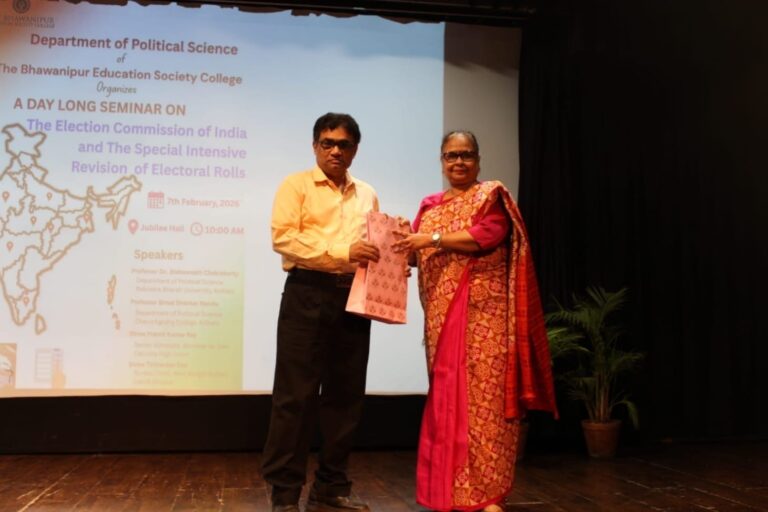
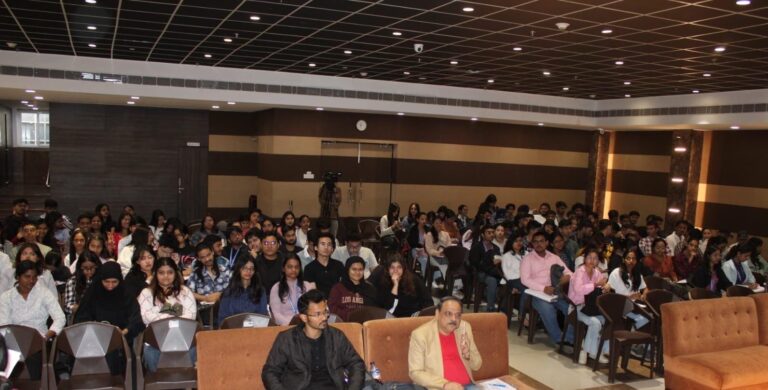
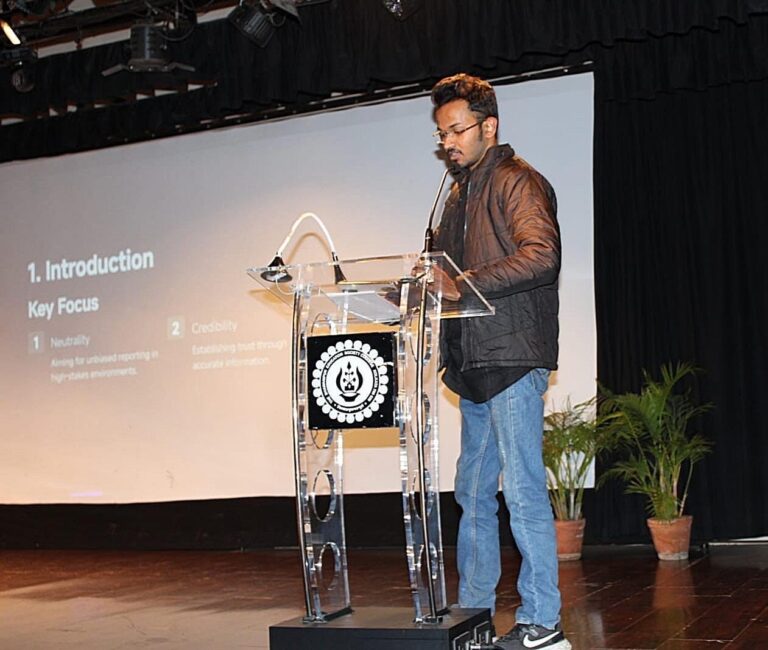
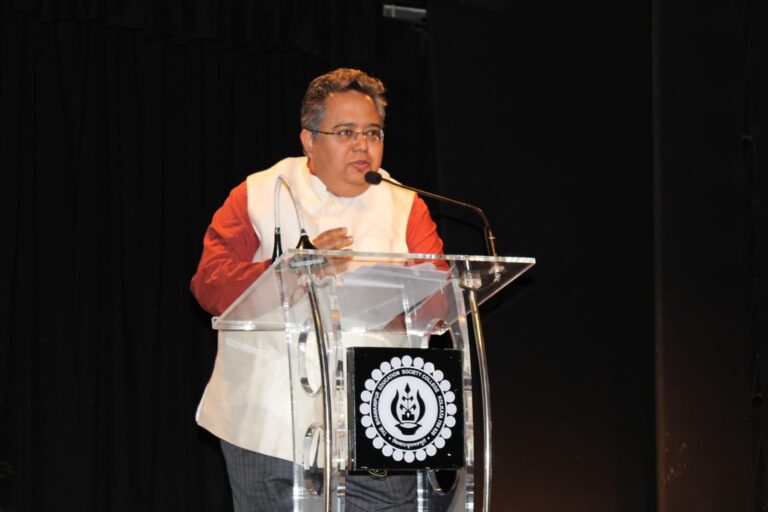
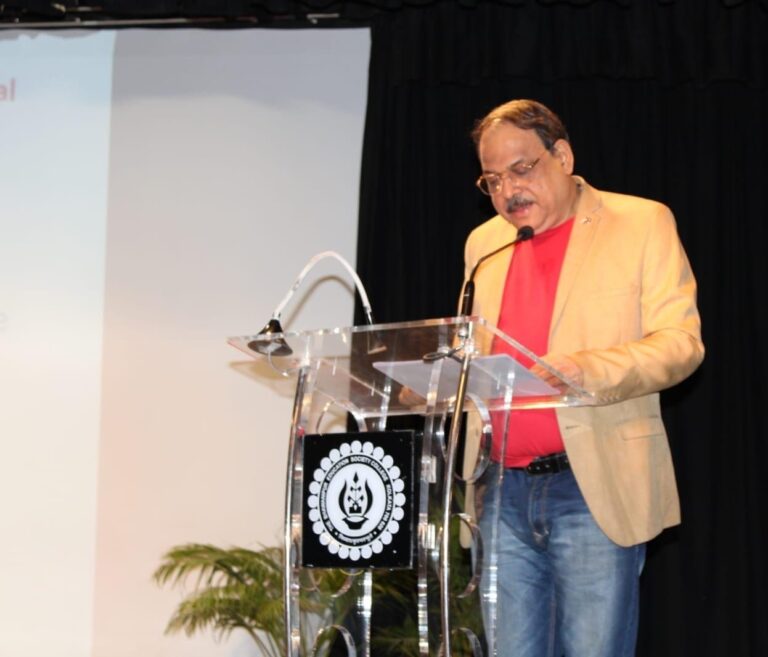
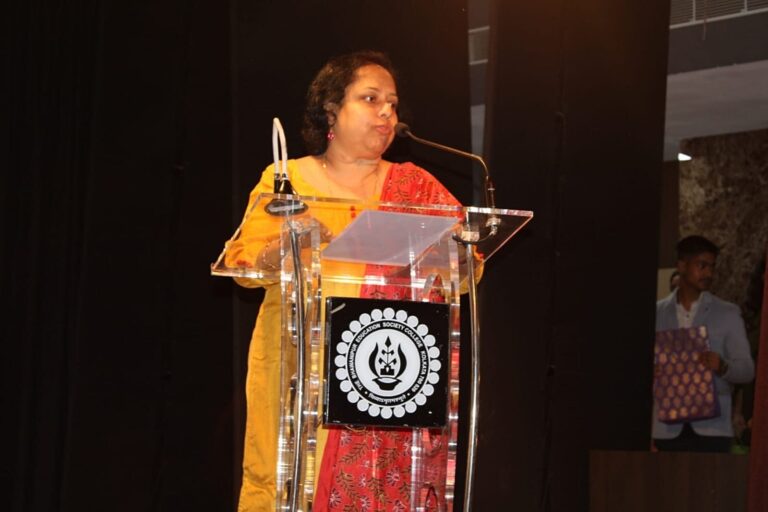
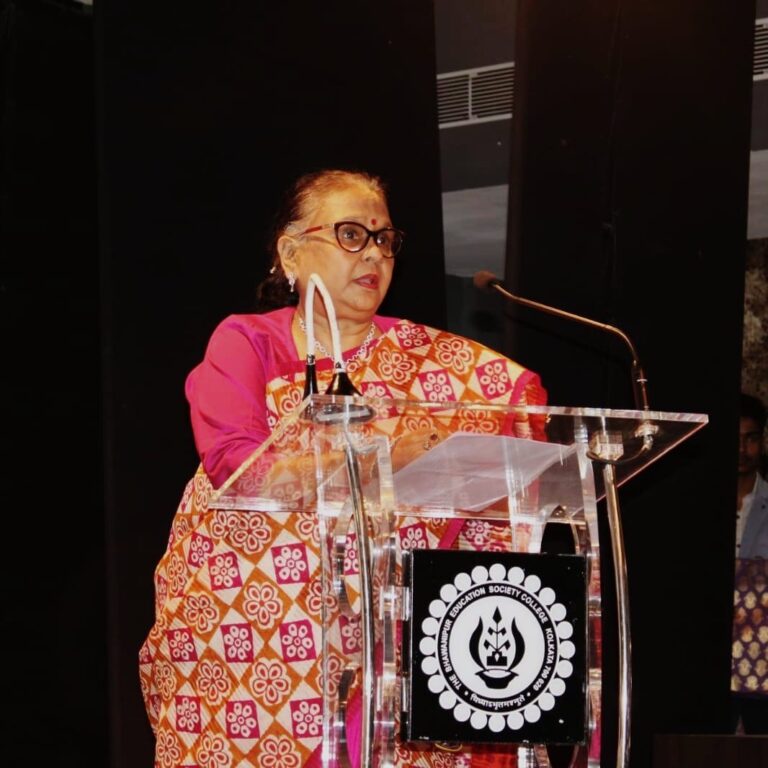
Brief description of the event: On February 7, 2026, the Department of Political Science organized a thought-provoking day-long seminar on “The Election Commission and the Special Intensive Revision of Electoral Rolls” The seminar aimed to provide an interdisciplinary platform for legal experts, political scientists, and media professionals to critically examine the constitutional position of the ECI, the legal and administrative framework governing electoral rolls, and the democratic implications of Special Intensive Revision (SIR) exercises. The programme witnessed active participation from faculty members, students, and scholars, resulting in rich academic engagement. The session was inaugurated by Amala Dhandhania, Associate Professor, Department of Political Science. Professor Dhandhania set the tone for the seminar by underlining the centrality of electoral rolls to democratic legitimacy. She highlighted how inaccuracies in electoral rolls—whether through exclusion, duplication, or outdated entries—pose serious challenges to electoral fairness and voter confidence. Particular emphasis was laid on the constitutional mandate of the Election Commission under Article 324 of the Indian Constitution and its expanding responsibilities in a complex electoral environment. The ball was set rolling by the first speaker Professor Dr. Bishwanath Chakraborty from Rabindra Bharati University. He examined the institutional credibility of the Election Commission in contemporary India. He reflected on issues of autonomy, public trust, and the increasing politicisation of electoral institutions, situating the SIR process within debates on democratic backsliding and institutional resilience. Shree Pramit Kumar Ray, Senior Advocate and Barrister-at-Law, Calcutta High Court, the second speaker of the session, provided a legal perspective on the powers and limitations of the Election Commission of India. His address examined judicial interpretations of electoral laws, procedural safeguards during electoral roll revisions, and the balance between administrative efficiency and individual voting rights. He also discussed recent legal controversies related to voter disenfranchisement and due process. Professor Bimal Shankar Nanda of Charuchandra College contextualised the Special Intensive Revision of electoral rolls within broader democratic theory and electoral reforms in India. His presentation traced the historical evolution of electoral roll preparation and revision, while critically assessing the political and social implications of large-scale revisions, particularly for marginalised and mobile populations. Shree Tirthankar Das, Bureau Chief, West Bengal Bureau, Dainik Bhaskar, offered a media and field-based perspective, highlighting ground-level challenges in electoral roll revisions and the role of journalism in bringing transparency to electoral processes. His intervention underscored the importance of public awareness and accountability. The seminar concluded with an interactive question-and-answer session, during which students and participants raised critical questions on voter inclusion, technological interventions in electoral management, and the future of electoral reforms in India.
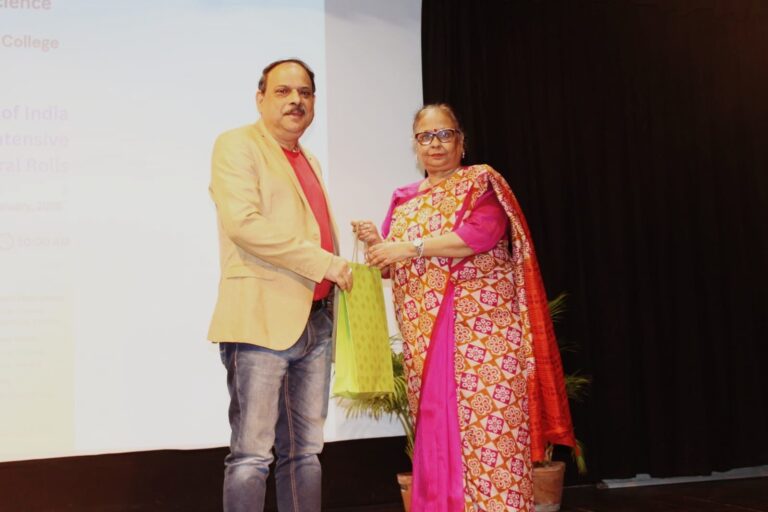
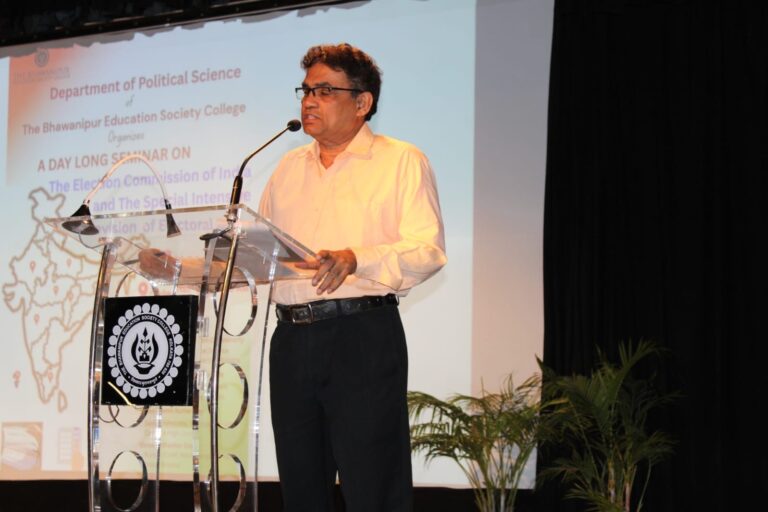
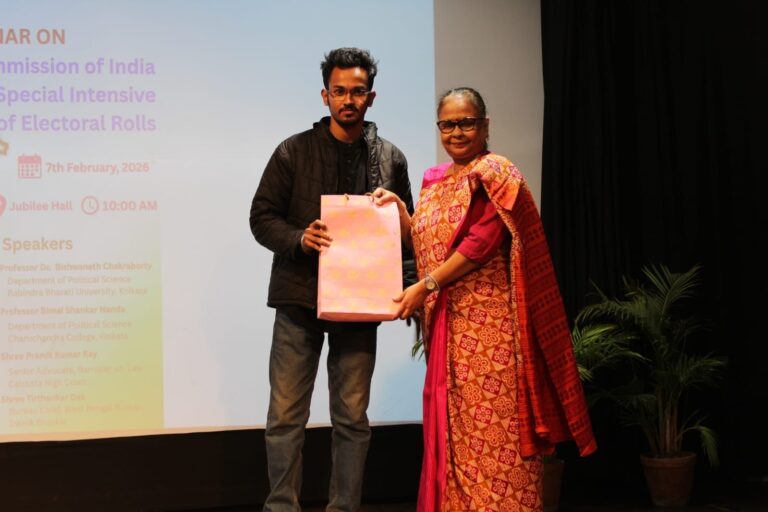
Outcome of the event: The seminar enhanced participants’ understanding of the constitutional role of the Election Commission of India and the democratic implications of electoral roll revision. It fostered critical engagement on electoral integrity, voter inclusion, and institutional accountability, strengthening academic discourse on contemporary challenges to India’s electoral democracy. The seminar was widely appreciated for its academic rigour, relevance, and smooth organisation, marking a meaningful contribution to discussions on electoral democracy in India
