About The Course

BESC’s undergraduate degree in commerce is one of our most rigorous courses. The degree is designed to provide students with a wide range of managerial skills, while at the same time building competence in particular areas of business. Towards that aim, in addition to their major, students of the programme are exposed to general business principles with courses in accounting, finance, business management, human resources, (business) statistics, marketing and economics.

Specialisations offered: Accounting & Finance | Marketing | Taxation | Computer Applications & E-Business

DURATION

4 Years | 8 semesters

- 4 Years: UG Honours or,
- UG Honours with Research
- 3 Years: Bachelor’s Honours (exit option)

TIMING

10:15 am to 4:30 pm

Day session, Co-ed

Student Development Initiatives

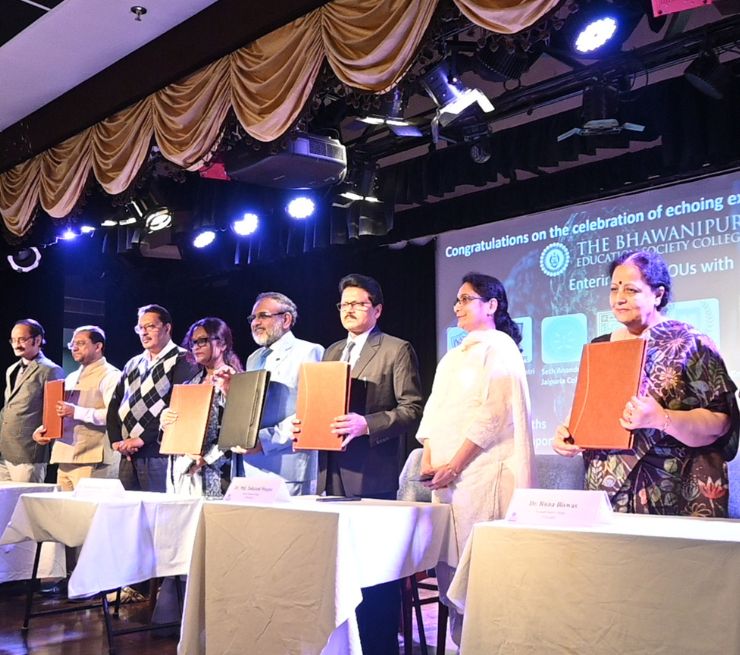
BESC’s B.com (H) course focuses on overall student growth. Through mentoring, tutorials, site visits, workshops, parent-teacher interactions, and expert seminars, students gain guidance, exposure, and practical skills beyond the classroom.

  • Mentoring Programs
  • Tutorials & Remedial Classes
  • Student Presentations
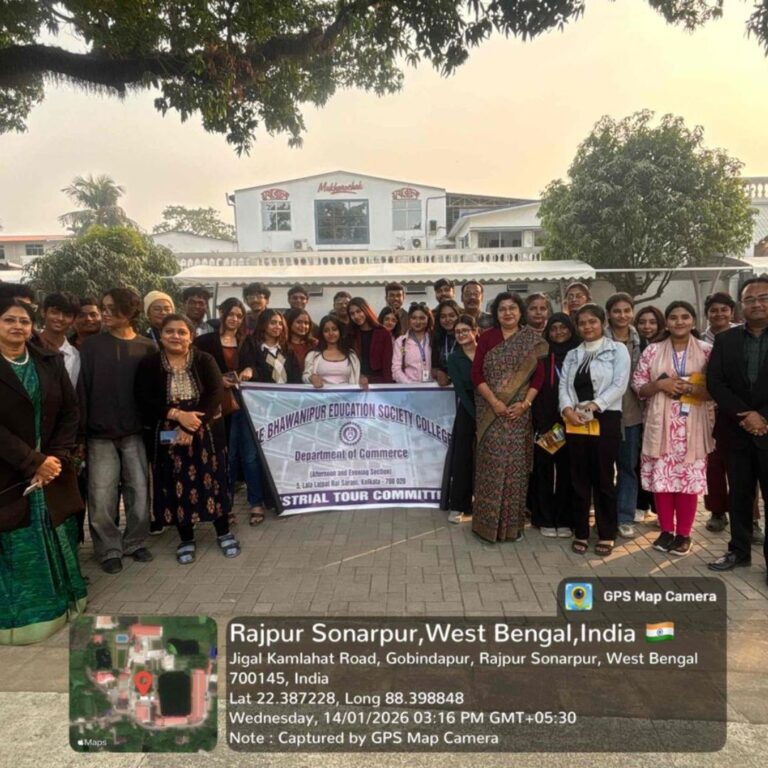
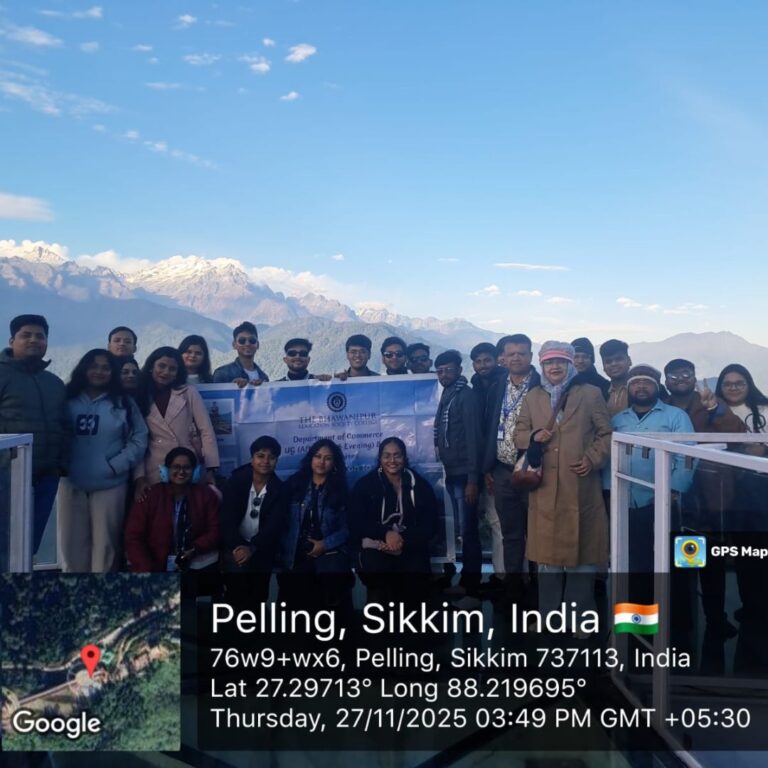
  • Industry Visits
  • Well-Stocked Library
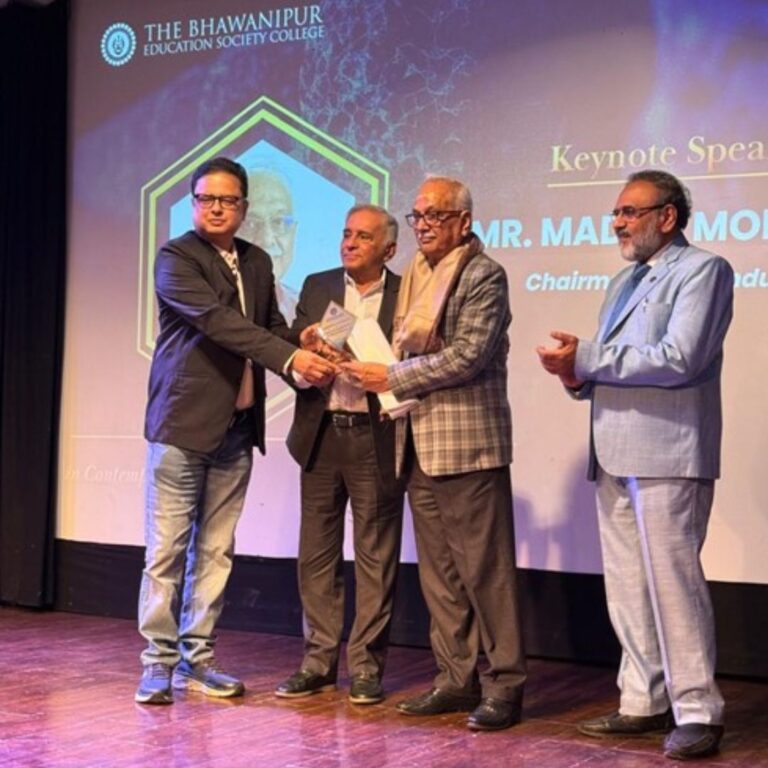
  • Expert Seminars

Innovative Teaching Methods

BESC’s B.com (H) course uses modern teaching approaches to engage students, foster critical thinking, and build a love for learning. Flipped classrooms, ICT-enabled lessons, workshops, seminars, and regular assignments make learning interactive and practical.

  • Flipped Classroom
  • ICT-Enabled Teaching
  • Peer Students' Lecture
  • Regular Assignments
  • Hands-On Workshops
  • Lectures by academic luminaries

Course Information

A candidate taking up B.Com. Honours Course must have obtained a minimum of 50% marks in the aggregate and 45% marks in the subject or related subject at the previous qualifying examination.

OR,
55% marks in the subject or related subject at the previous qualifying examination.

Note:

Related Subjects for B.Com. – Honours (anyone) Accountancy, Business Economics including Business Mathematics, Business Organization, Mathematics, Business Mathematics, Economics, Statistics, Business Studies, Office and Secretarial Practice, Financial Accounting, Elements of Cost Accountancy & Auditing, Bookkeeping, Commerce, Cost Accountancy & Principle of Management, Commercial Law & preliminaries of Auditing, Costing & Taxation.

Please also read General Eligibility Criteria, Under Admissions.

First Year: Semester 1

Course Code Course Name Type Marks
AECC 1.1Chg Communicative English – 50
Indian Language – 50
Non-MCQ 100
GE 1.1Chg Microeconomics I & Statistics (50+50) MCQ 100
CC 1.1 Chg Business Laws MCQ 100
CC 1.2 Chg Principles of Management MCQ 100
CC 1.1Ch Financial Accounting – I Non-MCQ 100

First Year: Semester 2

Course Code Course Name Type Marks
GE 2.1Chg E-Commerce &
Business Communication (50+50)
MCQ 100
CC2.1Chg Company Law MCQ 100
CC2.2Chg Marketing Management &
Human Resource Management (50+50)
MCQ 100
CC 2.1Ch Cost and Management Accounting – I Non-MCQ 100

Second Year: Semester 3

Course Code Course Name Type Marks
SEC3.1 Chg Information Technology & Its Application in Business (Theory -50 + Practical- 50) MCQ 100
GE 3.1Chg Business Mathematics & Statistics (50+50) MCQ 100
CC3.1 Ch Financial Accounting II Non-MCQ 100
CC3.2Ch Indian Financial System Non-MCQ 100

Second Year: Semester 4

Course Code Course Name Type Marks
GE 4.1 Chg Microeconomics II & Indian Economy (50+50) MCQ 100
CC4.1Chg Entrepreneurship Development and Business Ethics (50+50) MCQ 100
CC 4.1Ch Taxation I Non-MCQ 100
CC 4.2 Ch Cost and Management Accounting -II Non-MCQ 100

Third Year: Semester 5

Course Code Course Name Type Marks
CC 5.1Ch Auditing & Assurance Non-MCQ 100
CC 5.2 Ch Taxation II Non-MCQ 100
DSE 5.1 A* Macroeconomics and Advanced Business Mathematics (50+50) Non-MCQ 100
DSE 5.2 A* Corporate Accounting Non-MCQ 100

Options:

*Or DSE 5.1 M (Consumer Behaviour and Sales Management -50+50) & DSE 5.2 M (Product & Pricing Management and Marketing Communication (50+50)

*Or DSE 5.1T(Public Finance and Taxation) & DSE 5.2 T (Direct Tax: Laws and Practice)

*Or DSE 5.1 e-B (Fundamentals of Computer ) & DSE 5.2 e-B DBMS and System Analysis &Design (50+50)

Third Year: Semester 6

Course Code Course Name Type Marks
AECC 6.1Chg Environmental Studies MCQ 100
SEC6.1Chg Computerised Accounting and e-Filing of Tax Returns Practical Paper
Non-MCQ
100
CC 6.1Ch Project Work Non-MCQ 100
DSE 6.1 A** Financial Reporting and Financial Statement Analysis Non-MCQ 100
DSE 6.2 A** Financial Management Non-MCQ 100

Options:

**Or DSE 6.1 M (Retail Management and Marketing of Services (50+50)
& DSE 6.2 M (Rural Marketing and International Marketing (50+50)

**Or DSE 6.1 T (Indirect Tax: Laws and Practices)
& DSE 6.2 T (Tax Procedures and Planning)

**Or DSE 6.1 e-B (Internet & WWW and Functional e-Business System (50+50)
& DSE 6.2 e-B(Computer Applications and e-Business Applications – Practical (50+50)
Career Prospects

Graduates can pursue postgraduate studies in English or related disciplines, teaching qualifications, or research degrees. Professionally, the programme builds strong communication and analytical skills valued across education, media, publishing, corporate communications, PR and the creative sector.

Chartered Accountancy (CA)

Pursuing the prestigious CA certification from ICAI; B.Com (H) graduates often get a head start due to the significant overlap in subjects like advanced auditing and corporate law.

Investment Banking Analyst

Assisting in mergers and acquisitions (M&A), capital raising, and financial modeling for global investment banks and private equity firms.

Statutory & Internal Auditor

Working with the "Big 4" (Deloitte, PwC, KPMG, EY) or specialized firms to examine financial records and ensure compliance with national and international accounting standards.

Tax Consultant (Direct & Indirect)

Specializing in GST, corporate taxation, and international tax planning to help businesses optimize their financial liabilities and remain compliant.

Financial Risk Analyst

Using quantitative skills to identify and analyze potential risks (credit, market, or operational) that could threaten the financial health of an organization.

Management Consulting

Advising corporations on how to improve business performance, streamline operations, and manage large-scale financial transitions as a Junior Consultant.

Equity Research Analyst

Evaluating companies, industry sectors, and market trends to provide "Buy/Sell" recommendations for brokerage houses and mutual fund managers.

Corporate Secretarial Services (CS)

Managing the legal and regulatory framework of a company, ensuring corporate governance and board-level compliance (often following the CS professional course).

FinTech & Digital Banking

Entering the new-age finance sector to work on digital lending platforms, neobanks, and blockchain-based financial solutions.

Public Sector & Banking Services

Excelling in competitive exams like SBI PO, IBPS, or the RBI Grade B officer exams, where the commerce background provides a distinct advantage in the specialized papers.

FAQs*

Account Executive, Tax Consultant, Company Secretary, Accountant, Bank Manager, Financial Analyst, Business Executive, Finance Manager, Teacher, Accounts Manager, Business Consultant, Chartered Accountant, Chartered Financial Analyst, Certified Management Accountant, Certified Financial Planner etc. are some of the professions that one can pursue after earning a BCom degree.

Today, there are several employment choices available after earning a BCom, as was previously described. After completing the course, one is not required to follow the conventional route of earning an M.Com or B.Ed. A junior accountant, finance executive, sales executive, etc., can be hired right away.

Although it depends on your interests, the most advised alternative is to major in commerce with a math minor because it will help you advance your analytical skills and get you ready for any upcoming competitive exams. You’ll benefit from it no matter what you decide to study, whether it’s passing entrance tests or getting into a prestigious university after high school.

After earning your BCom, you can choose from a variety of job profiles. You could, for instance, work as an insurance agent, financial manager, or sales associate. Additionally, you can work for the government or at a bank as a process analyst, relationship manager, etc. Your duties will depend on your job description, although many tasks are universal to most jobs.

* Frequently Asked Questions

Beyond the Classroom

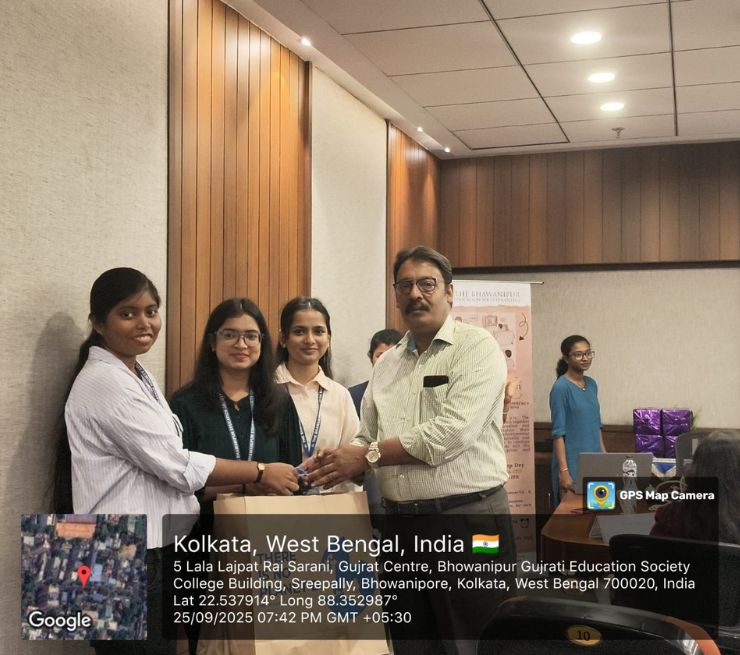
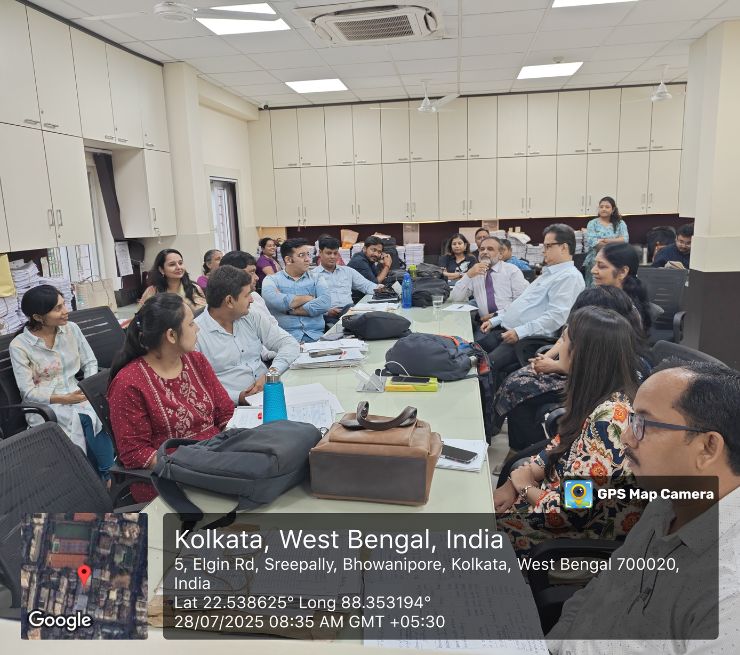
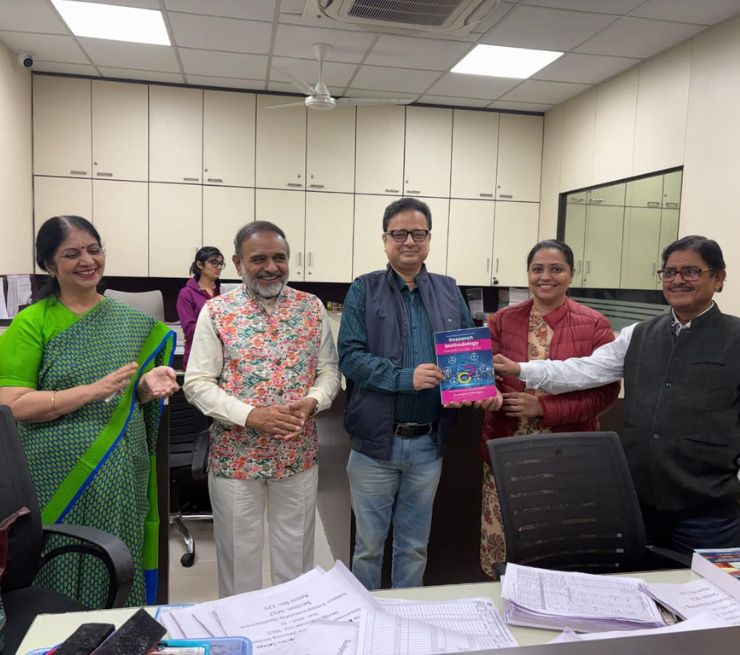
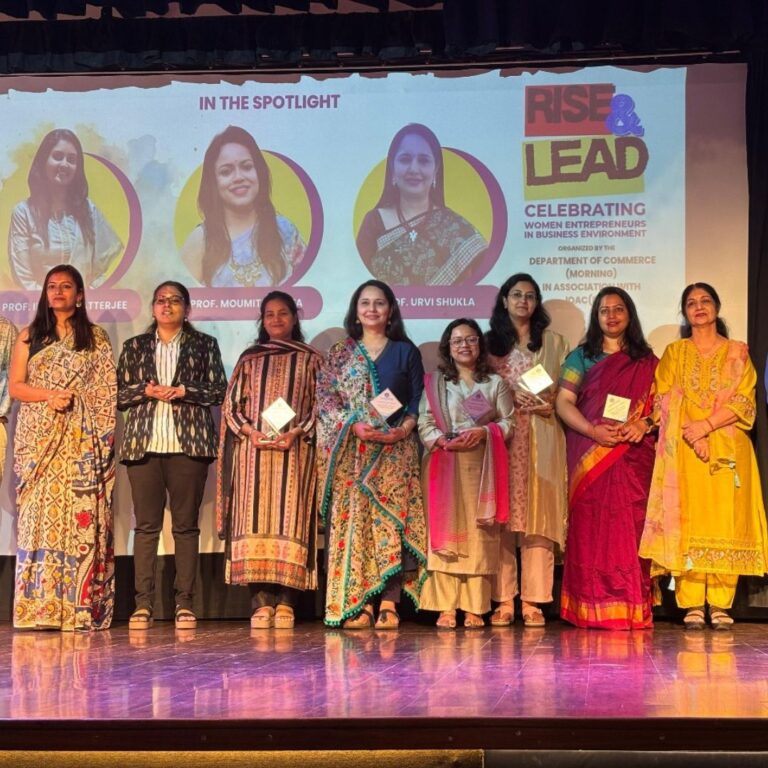
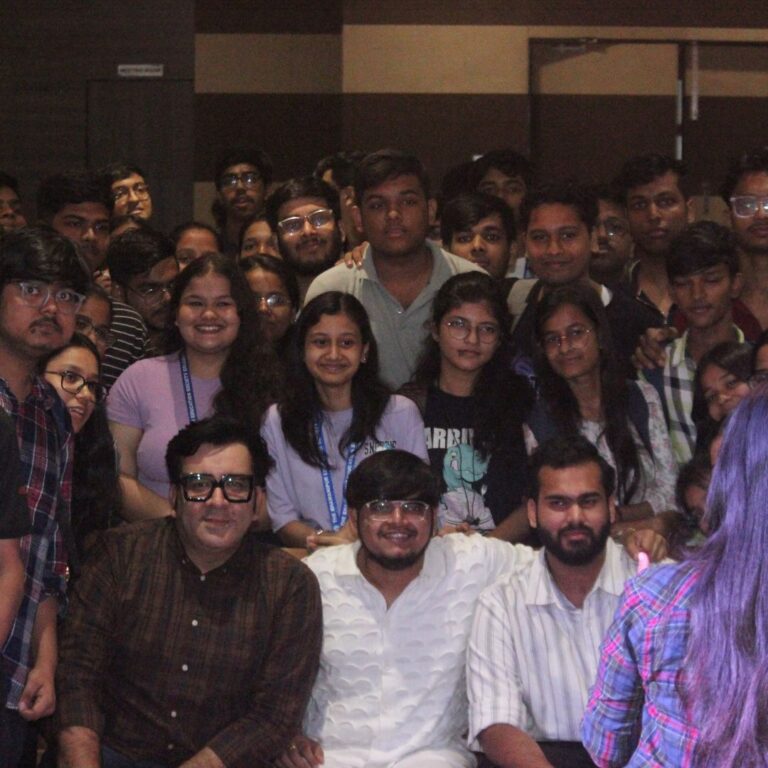
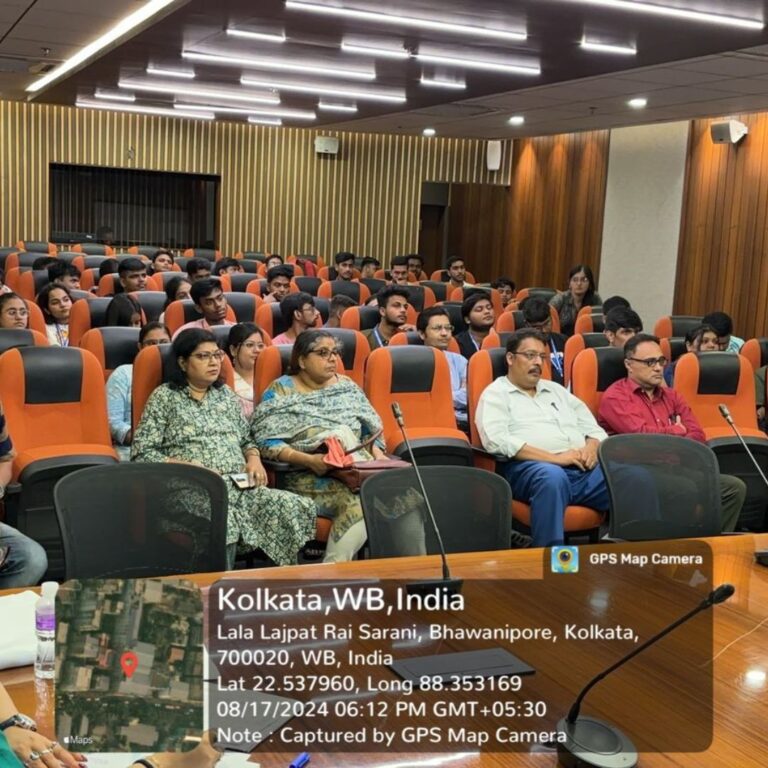
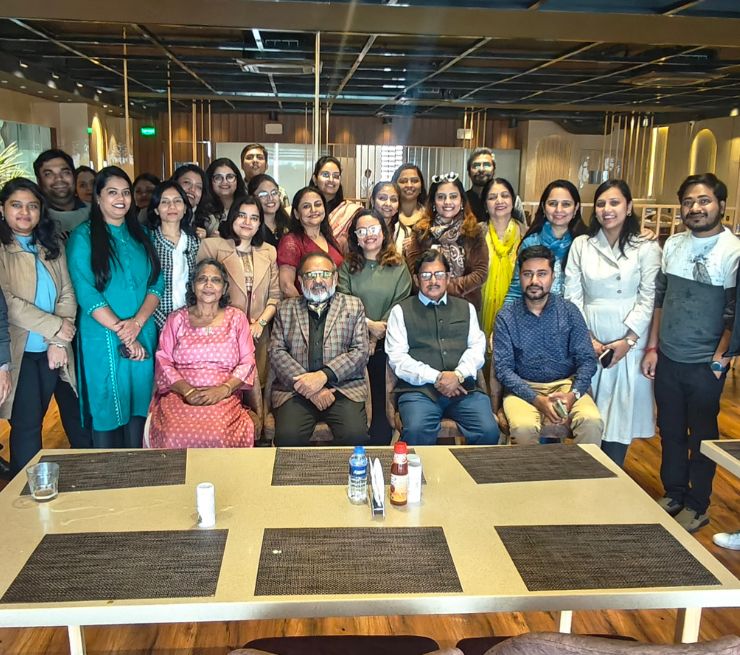
BESC’s B.com (H) course is designed to strike the perfect balance between academic learning and real-world exposure. Alongside a strong foundation in the classroom, students benefit from industry mentorship, site visits, hands-on workshops, expert seminars, and insightful guest lectures. These experiences enrich their understanding, bridge theory with practice, and prepare them to confidently navigate professional environments.

Alumni Speak

At BESC, constant faculty support and a nurturing environment helped me overcome challenges, building resilience, confidence, and discipline throughout my B.Com (H) journey.
Jai Anmol Agarwal
Jai Anmol Agarwal

B.Com (H) | Batch 2025

BESC has been a turning point in my journey, building confidence, leadership, and entrepreneurial skills through practical exposure and opportunities beyond the classroom.
Devansh Kapoor
Devansh Kapoor

B.Com (H) | Batch 2026

The B.Com (H) programme at BESC combines strong academics with industry exposure, helping me secure a placement at Deloitte USI and grow both personally and professionally.
Abhiroop Sarkar

B.Com (H) | Batch 2026

With rigorous academics and unwavering support from faculty and the Placement Cell, BESC prepared me to secure a position at KPMG India with confidence.
Harshit Jindal
Harshit Jindal

B.Com (H) | Batch 2026

My journey at BESC was truly transformative, with strong mentorship, vibrant campus life, and excellent placement opportunities that shaped my confidence and career path.
Kashish Gupta
Kashish Gupta

Analyst (KPMG) | Batch 2025

BESC is more than a college—it’s a place where mentorship, academics, and co-curricular opportunities come together to build confidence, creativity, and overall growth.
Daivam Nishanth
Daivam Nishanth

B.Com (H) | Batch 2025