About The Course

Emerge job-ready with our undergraduate programme in Journalism & Mass Communication, which is a well-balanced mix of classroom learning and practical applications. By imparting knowledge of the subject and requisite skills and their application in practice, including in-class assignments, the course equips students with diverse proficiencies in various aspects of mass media and communication.

DURATION

4 Years | 8 semesters

- 4 Years: UG Honours or,
- UG Honours with Research
- 3 Years: Bachelor’s Honours (exit option)

TIMING

10:15 am to 4:30 pm

Day session, Co-ed

Student Development Initiatives

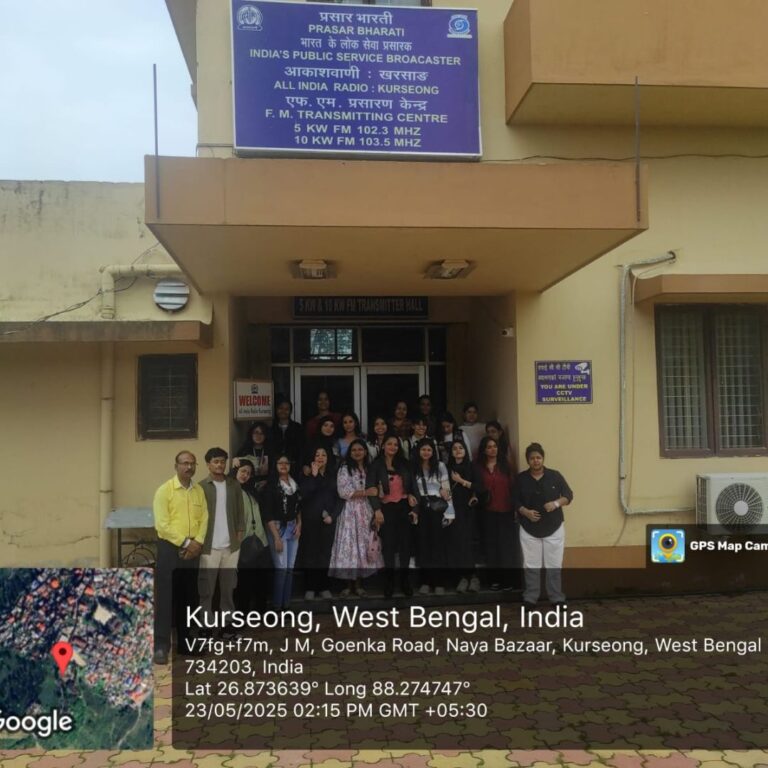
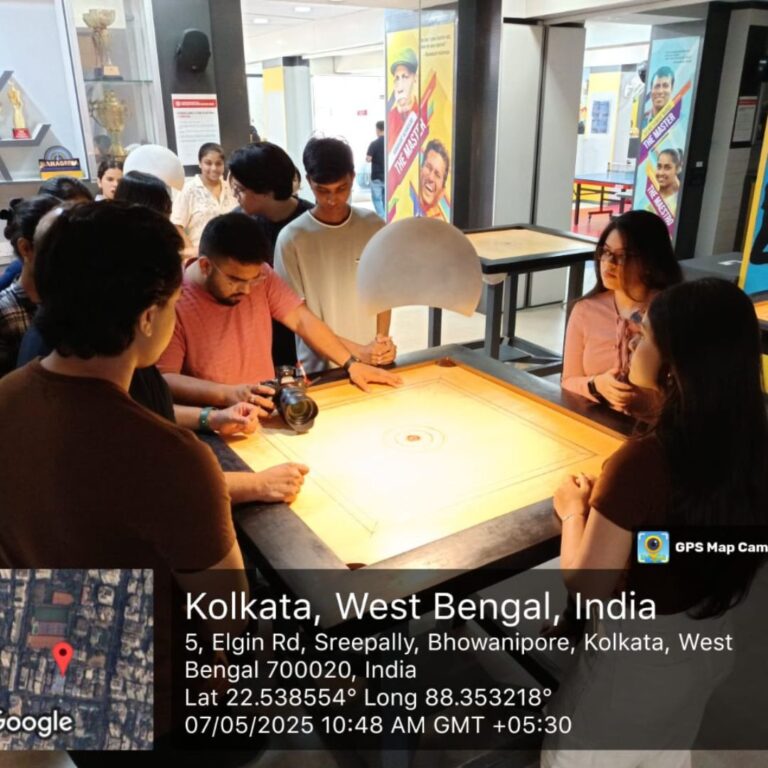
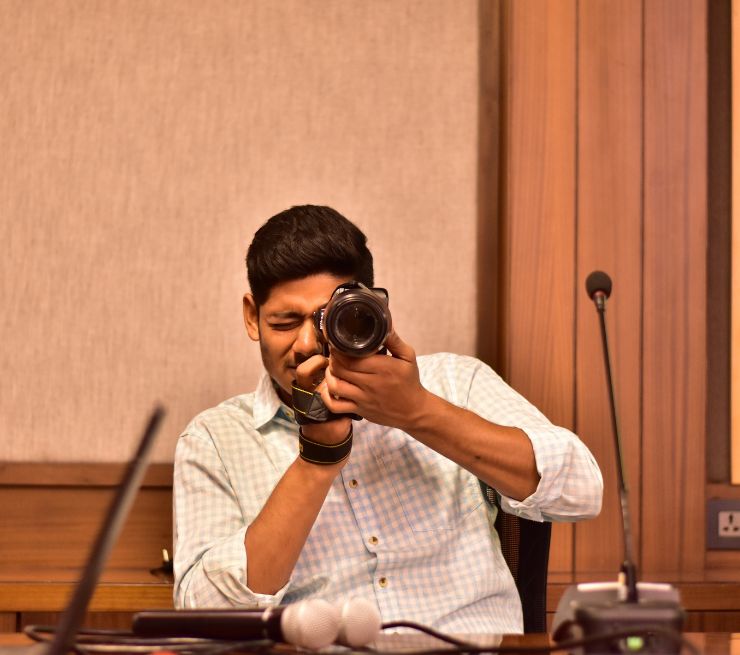
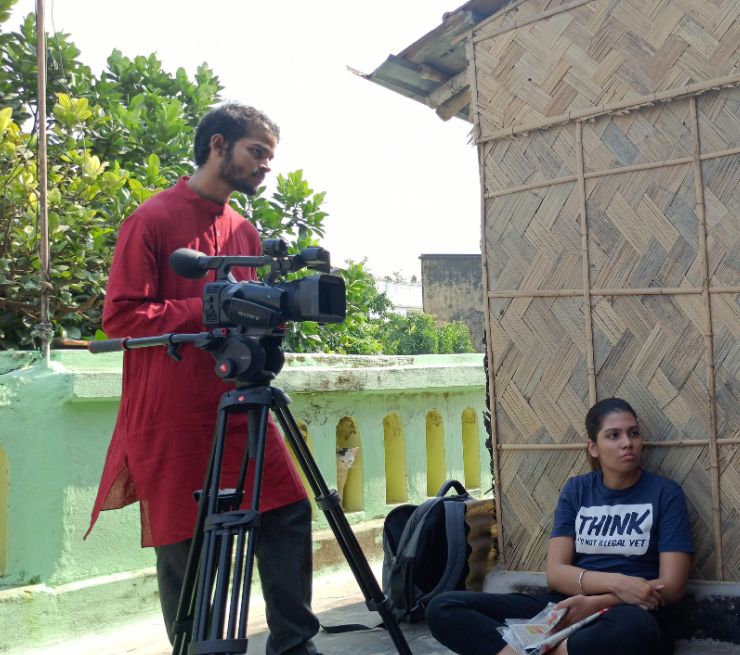
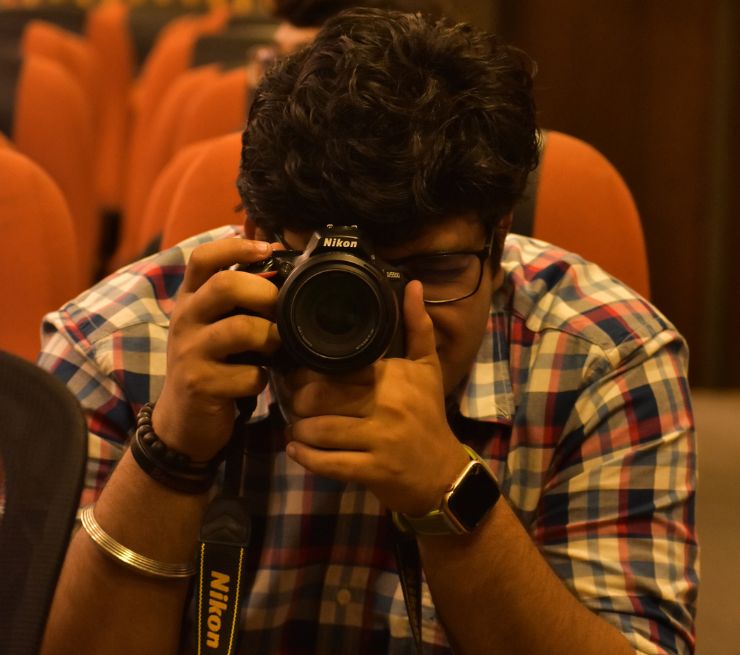
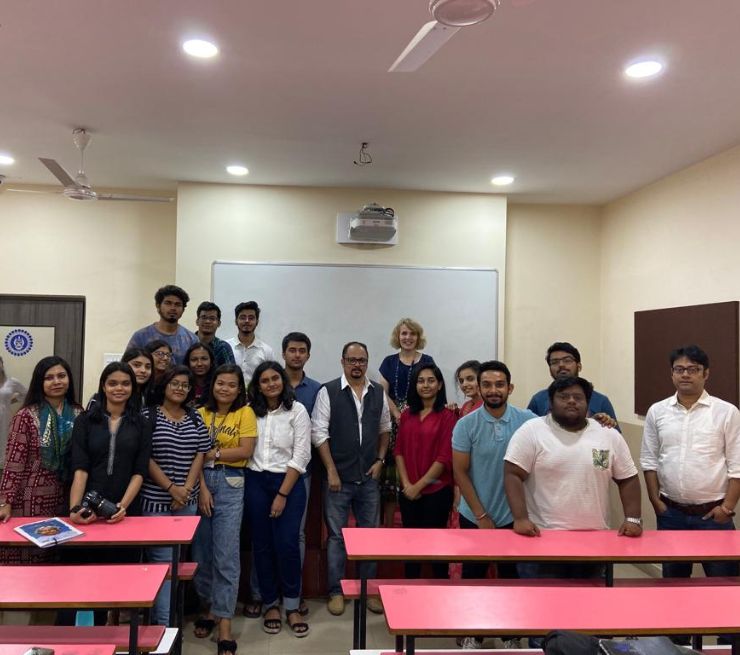
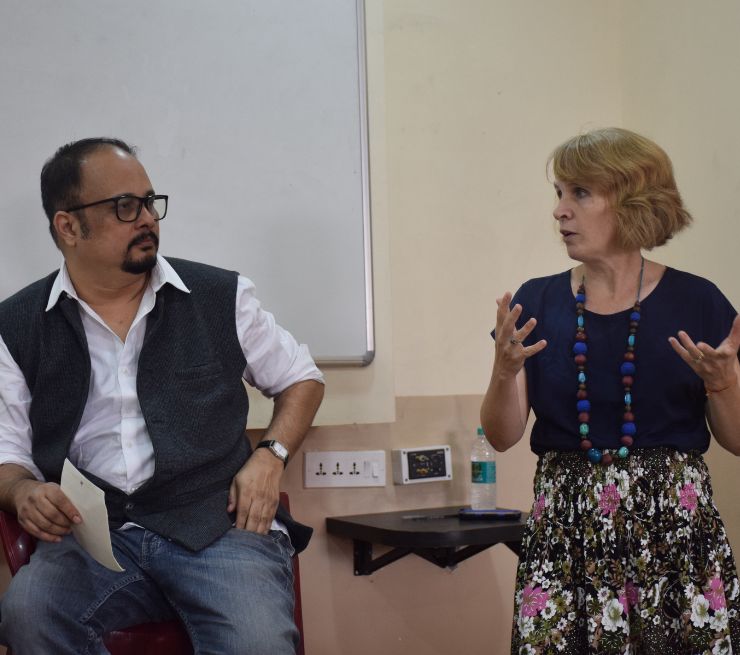
BESC’s B.A (H) Journalism & Mass Communication course focuses on overall student growth. Through mentoring, tutorials, site visits, workshops, parent-teacher interactions, and expert seminars, students gain guidance, exposure, and practical skills beyond the classroom.

  • Mentoring Programs
  • Tutorials & Remedial Classes
  • Student Presentations
  • Industry Visits
  • Well-Stocked Library
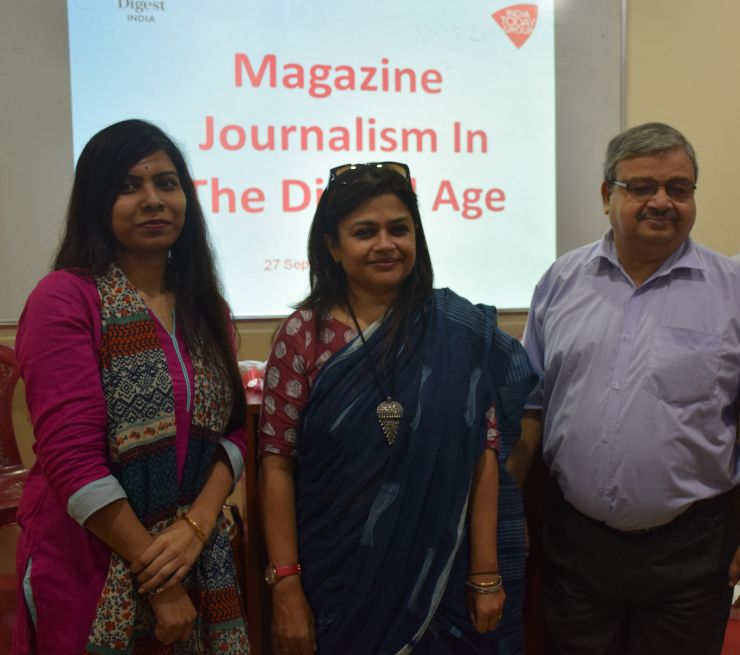
  • Expert Seminars

Innovative Teaching Methods

BESC’s B.A (H) Journalism & Mass Communication course uses modern teaching approaches to engage students, foster critical thinking, and build a love for learning. Flipped classrooms, ICT-enabled lessons, workshops, seminars, and regular assignments make learning interactive and practical.

  • Flipped Classroom
  • ICT-Enabled Teaching
  • Peer Students' Lecture
  • Regular Assignments
  • Hands-On Workshops
  • Lectures by academic luminaries

Course Information

A candidate taking up an Honours Course in a subject must have obtained, at the previous qualifying examination, a minimum of:

55% marks in English
OR,
45% marks in English + 50% marks in BO4

Note: Please also read General Eligibility Criteria, Under Admissions.

Course Code Name of Course Type Semester Marks
CC-1 Introduction to Journalism JORA-CC-1-1-TH+P 1 100
AECC-1 English + MIL 1 100
CC-2 History of Indian Journalism JORA-CC-1-2-TH+TU 1 100
GE-1 Basics of Journalism JORG-CC/GE-1-1 TH+TU 1 100
AECC-2 EVS 2 100
CC-3 Reporting and Editing JORA-CC-2-3-TH+TU 2 100
CC-4 Introduction to Media and Communication JORA-CC-2-4-TH+P 2 100
GE-2 Media Management JORG-CC/GE-2-2 TH+TU 2 100
CC-5 Communication Media + Society JORA-CC-3-5-TH+TU 3 100
CC-6 Media and Cultural Studies JORA-CC-3-6-TH+TU 3 100
GE-3 Advertising / Public Relations JORG-CC/GE-3-3 TH+P 3 100
CC-7 Introduction to Radio JORA-CC-3-7-TH+P 3 100
SEC -A-1 or SEC -A-2 Radio writing & presentation or Photo Journalism JORA-SEC-A-3-1 or JORA-SEC-A-3-2 3 100
CC-8 Media Management + Press Laws JORA-CC-4-8-TH+TU 4 100
CC-9 Introduction to Television JORA-CC-4-9-TH+P 4 100
GE-4 Press Laws and Indian Constitution JORG-CC/GE-4-4 TH+TU 4 100
CC-10 Film Studies JORA-CC-4-10-TH+TU 4 100
SEC-B-1 or SEC-B-2 Documentary Production or Feature Production JORA-SEC-B-4-1 or JORA-SECB-4-2 4 100
CC-11 Introduction to New Media JORA-CC-5-11-TH+P 5 100
CC-12 Development Communication JORA-CC-5-12-TH+TU 5 100
DSE-A-1 or DSE-A-2 Global Media & Politics or Media + Human Rights + Gender and Env. Studies JORA-DSE-A-5-1 or JORA-DSE-A-5-2 5 100
DSE-B-1 or DSE-B-2 Multimedia Journalism or Communication Research and Methods DSE-B-5-1 or DSE-B-5-2 5 100
CC-13 Advertising JORA-CC-6-13-TH+P 6 100
CC-14 Public Relations JORA-CC-6-14-TH+TU 6 100
DSE-A-3 or DSE-A-4 Dissertation with Presentation or Political Communication JORA-DSE-A-6-3 or JORA-DSE-A-6-4 6 100
DSE-B-3 or DSE-B-4 Folk & Community Media or Health & Science Communication JORA-DSE-B-6-3 or JORA-DSE-B-6-4 6 100

Choose Any Two

Education or Film Studies / History / Sociology / Political Science / English / Bengali or Hindi

IDC 1

English, Political Science, Sociology, History, Bengali, Hindi, Education, Psychology, Geography, Film Studies

IDC 2

English, Political Science, Sociology, History, Bengali, Hindi, Education, Psychology, Geography, Film Studies, Statistics, Chemistry, Computer Science, Economics, Mathematics

IDC 3

English, Political Science, Sociology, History, Bengali, Hindi, Education, Psychology, Geography, Film Studies, Statistics, Chemistry, Computer Science, Economics, Mathematics

Career Prospects

Graduates can pursue postgraduate studies in English or related disciplines, teaching qualifications, or research degrees. Professionally, the programme builds strong communication and analytical skills valued across education, media, publishing, corporate communications, PR and the creative sector.

Digital Journalism & New Media

Working as an online reporter, digital editor, or multimedia journalist for web-based news portals and digital-first media houses.

Public Relations (PR) & Image Management

Building and maintaining the reputation of brands, celebrities, or organizations as a PR Specialist or Crisis Communication Manager.

Social Media Strategy & Management

Designing viral campaigns and managing the online community and presence for global brands as a Social Media Manager.

Corporate Communication

Managing internal and external communication, executive branding, and corporate storytelling for multinational corporations.

Advertising & Brand Strategist

Conceptualizing creative campaigns and media buying strategies as a Copywriter, Creative Director, or Media Planner.

Content Creation & Influencer Management

Leveraging storytelling skills to produce high-impact content for YouTube, Instagram, and TikTok, or managing professional influencer-brand partnerships.

Broadcast & Television Production

Pursuing roles such as News Anchor, Video Producer, Scriptwriter, or Video Editor for television networks and OTT platforms (Netflix, Hotstar, etc.).

Podcasting & Audio Journalism

Specializing in the booming audio industry as a Podcast Host, Audio Producer, or Radio Jockey for FM and digital streaming apps.

Data Journalism & Investigative Reporting

Using data visualization and deep-dive research techniques to uncover complex stories and present them through interactive graphics.

Event Management & Media Consulting

Planning and executing large-scale corporate events, festivals, and press conferences, or providing strategic media advice to firms.

FAQs*

Journalism refers to the practice of gathering, investigating, verifying, and presenting news and information to the public. Journalists work in various media formats, including print, broadcast, online, and multimedia platforms. They are responsible for researching, interviewing, writing, and editing news stories, articles, features, and investigative reports. Journalists aim to provide accurate, balanced, and timely information that informs, educates, and engages the public. They often work under tight deadlines and adhere to ethical principles and standards, such as objectivity, fairness, and accountability. Mass Communication refers to the process of transmitting information to a large and diverse audience through various channels of communication. It involves the use of mass media, which includes print media (newspapers, magazines), broadcast media (television, radio), digital media (websites, social media), and other forms of communication technologies. Mass communication encompasses not only journalism but also other forms of communication, such as advertising, public relations, and media studies. It explores how messages are created, conveyed, and received, and the impact they have on individuals, societies, and cultures. Journalism and mass communication are closely interconnected because journalism is one of the primary components of mass communication. Journalists use various mass communication channels to disseminate news and information to a wide audience. Additionally, the study of mass communication encompasses the broader aspects of media systems, media effects, media ethics, media theories, and the role of media in society, which provide a foundation for understanding and analyzing journalism within the larger context of mass communication.

Studying Journalism and Mass Communication offers several benefits that can enhance both personal and professional growth. Some of the key advantages of pursuing a degree in Journalism and Mass Communication are as follows: Develops strong communication skills: Journalism and Mass Communication programs emphasize effective verbal and written communication. Through coursework and practical experiences, you can refine your writing, speaking, interviewing, and storytelling abilities. These skills are valuable in various professional settings and can help you effectively convey messages, engage audiences, and build relationships. Enhances critical thinking and analysis: Journalism and Mass Communication education encourages critical thinking and analysis of media content, news stories, and communication practices. You learn to evaluate information, assess credibility, detect bias, and understand media effects. These skills enable you to be a discerning consumer and producer of media, as well as a thoughtful and informed citizen. Expands media literacy: Studying Journalism and Mass Communication enhances your media literacy, which is the ability to access, analyze, evaluate, and create media content. You become more skilled at navigating media platforms, understanding media messages, and interpreting media representations. This empowers you to engage with media in a thoughtful and informed manner. Cultivates research and investigative skills: Journalism often involves in-depth research and investigation to gather accurate information and verify facts. By studying Journalism and Mass Communication, you develop strong research skills, learn how to conduct interviews, analyze data, and investigate complex issues. These skills are valuable in a variety of fields that require research and analytical abilities. Fosters adaptability and technological proficiency: The media landscape is constantly evolving, with new technologies and platforms emerging regularly. Studying Journalism and Mass Communication helps you adapt to technological advancements and acquire digital literacy. You gain hands-on experience with various media tools, software, and platforms, making you more versatile and adaptable in a rapidly changing media environment. Provides a global perspective: Journalism and Mass Communication programs often emphasize the importance of understanding diverse cultures, global issues, and international media landscapes. You learn about media systems worldwide, cross-cultural communication, and the impact of media on different societies. This global perspective enhances your cultural competence and prepares you for work in a globalized world. Offers networking and professional opportunities: Studying Journalism and Mass Communication provides opportunities to network with industry professionals, media organizations, and fellow students. You can connect with journalists, media professionals, and professors who can offer guidance, mentorship, and potential career opportunities. These connections can be valuable throughout your professional journey.

Any student, irrespective of her/his stream in Class XII, can opt for a course in Journalism and Mass Communication.

No, any specific language skill is not mandatory for pursuing a course in Journalism and Mass Communication.

Determining if Journalism and Mass Communication is the right career for you requires careful consideration of one’s interests, skills, and personal goals. Here are some factors to be taken into consideration to assess if Journalism and Mass Communication is the right career for you: Passion for storytelling and information: Journalism and Mass Communication (JMC) involves storytelling and the dissemination of information to a wide audience. Ask yourself if you have a genuine interest in investigating and sharing stories, news, and ideas. If you enjoy keeping up with current events, conducting research, and communicating with others, this field may be a good fit. Strong communication skills: Effective communication is essential in Journalism and Mass Communication. Assess your skills in writing, speaking, interviewing, and presenting information. If you enjoy expressing ideas clearly, have a knack for storytelling, and can adapt your communication style for different media platforms, it suggests you may excel in this field. Curiosity and critical thinking: Journalism and Mass Communication (JMC) requires curiosity and critical thinking skills. Consider if you are naturally inquisitive, enjoy asking questions, and have a desire to dig deeper to uncover the truth. If you are able to analyze information critically, evaluate different perspectives, and separate facts from opinions, it indicates a potential fit for this field. Adaptability and technological proficiency: The media landscape is rapidly evolving with technological advancements. Assess your comfort level with technology and your ability to adapt to new tools and platforms. Are you willing to learn new skills, stay updated with emerging trends, and embrace digital media? Flexibility and a willingness to evolve are important qualities in this field. Ethical and responsible mindset: Journalism and Mass Communication (JMC) involves ethical considerations and a responsibility to report truthfully and fairly. Reflect on your ethical values and commitment to accurate, unbiased reporting. If you prioritize integrity, accountability, and respect for diverse perspectives, it suggests that you have the right mindset for this field. High-pressure environments and deadlines: Journalism often operates under tight deadlines and requires working in fast-paced, high-pressure environments. Assess your ability to work effectively under time constraints and manage stress. If you thrive in dynamic situations, can handle tight deadlines, and remain calm under pressure, it indicates a potential fit for this field. Long-term commitment: Journalism and Mass Communication careers often require persistence and dedication. Consider if you are willing to invest time and effort into building your skills and professional reputation. If you have a long-term commitment to the field, are motivated to continuously improve, and have a strong work ethic, it suggests that you may thrive in this career. While this assessment is not definitive, it can certainly help one in reflective upon one’s interests, strengths, and goals and decide if Journalism and Mass Communication is the right career for her/him.

Absolutely! Graduating in Journalism and Mass Communication can be a stepping stone for further studies in the field. Pursuing higher education offers several advantages, including specialized knowledge, research opportunities, and career advancement. Here are some options for higher studies after completing a degree in Journalism and Mass Communication: Master’s Degree: You can pursue a Master’s degree in Journalism, Mass Communication, Media Studies, or a related field. These programs provide advanced coursework, research opportunities, and a deeper understanding of media theory, research methods, and specialized areas within the field. A Master’s degree can enhance your knowledge, skills, and competitiveness in the job market. Doctoral Degree: If you have a passion for research, critical analysis, and academia, you can consider pursuing a Ph.D. in Journalism, Mass Communication, or related disciplines. A doctoral program typically involves conducting original research, contributing to scholarly literature, and teaching opportunities. This path can lead to careers in academia, research institutions, or industry positions that require advanced expertise. Specialized Certifications: Depending on your specific interests within Journalism and Mass Communication, you can pursue specialized certifications or short-term courses in areas such as digital media, data journalism, multimedia storytelling, public relations, or broadcast journalism. These certifications can enhance your skills and expertise in specific areas and make you more competitive in the job market. Media Management or Business Programs: If you are interested in the business side of media or aspire to work in media organizations in management roles, you can consider pursuing a Master’s in Media Management, Media Business Administration, or similar programs. These programs provide a blend of media and business coursework, equipping you with skills in media entrepreneurship, strategic management, marketing, and media economics. Interdisciplinary Studies: Journalism and Mass Communication can intersect with various disciplines, including political science, sociology, cultural studies, or technology. You can explore interdisciplinary programs that allow you to combine your journalism background with other areas of interest, enabling you to approach media and communication from a broader perspective. Higher studies in Journalism and Mass Communication can deepen your understanding of the field, equip you with advanced skills, and open up opportunities for research, teaching, or specialized roles. It’s important to research and choose programs that align with your career goals, interests, and aspirations. Consider factors such as the program’s curriculum, faculty expertise, research opportunities, industry connections, and alumni network when making decisions about higher education.

Presently, The Bhawanipur Education Society College offers only BJMC (Bachelor in Journalism and Mass Communication) degree course.

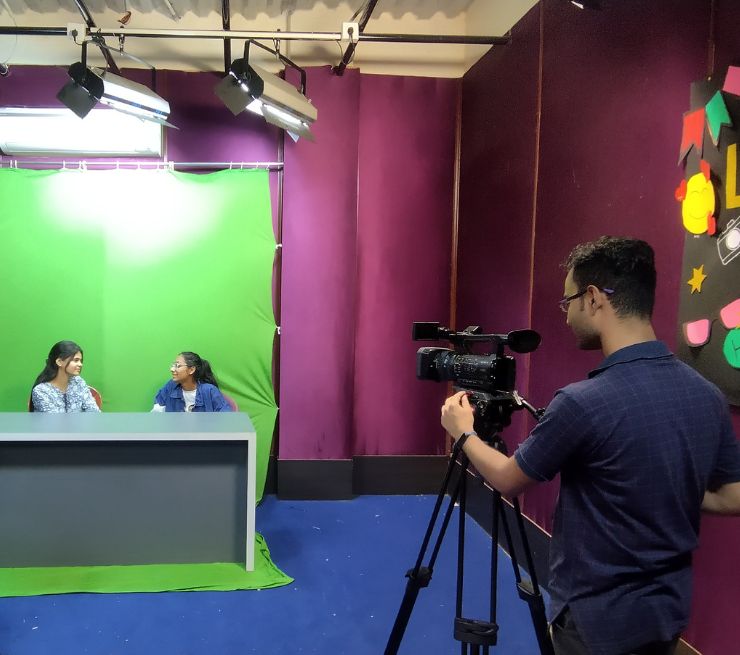
Reputation: The Department of JMC at The Bhawanipur Education Society College has an excellent track record of producing successful graduates in the subject. Curriculum: The curriculum of the Journalism and Mass Communication course at The Bhawanipur Education Society College covers a wide range of relevant subject areas that can provide quality education in the subject and alongside desired professional competency. Faculty: The Department of JMC at The Bhawanipur Education Society College consists of highly qualified teachers who have industry experience, expertise in their respective fields, and a commitment to mentorship and guidance for students. Infrastructure and Facilities: The Department of JMC at The Bhawanipur Education Society College has a well-equipped media lab and offers access to the latest media infrastructure that can enhance your practical skills and hands-on learning opportunities. Alumni Network: The Department of JMC at The Bhawanipur Education Society College has a strong alumni network of well-placed students who can offer good networking, mentorship, and industry connections and opportunities beneficial both during and after your studies. Student Support Services: The Department of JMC at The Bhawanipur Education Society College offers quality student support services such as career counseling, academic advising, and extracurricular activities. These services can contribute to your overall college experience and personal development.

The University of Calcutta

* Frequently Asked Questions

Beyond the Classroom

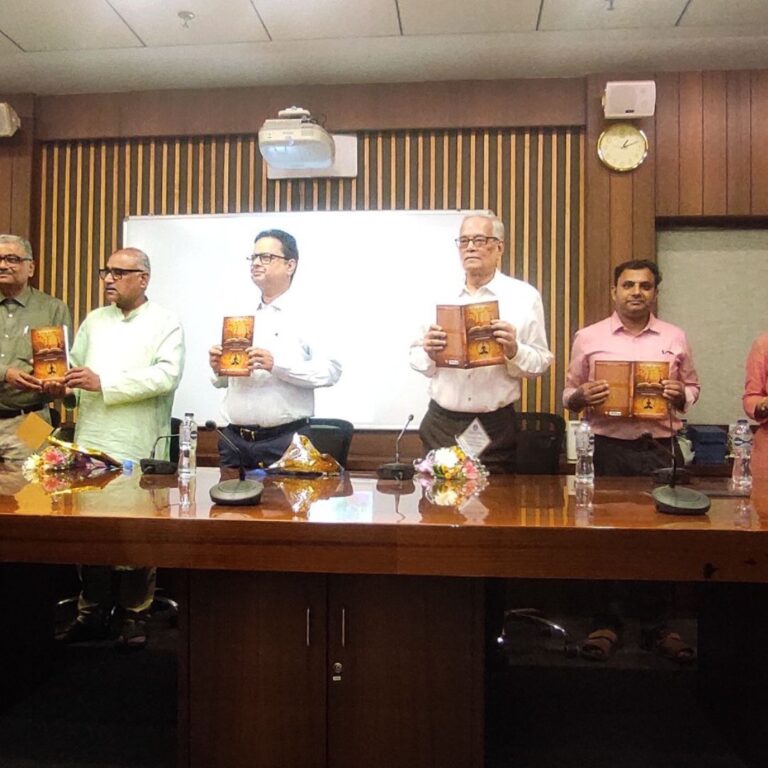
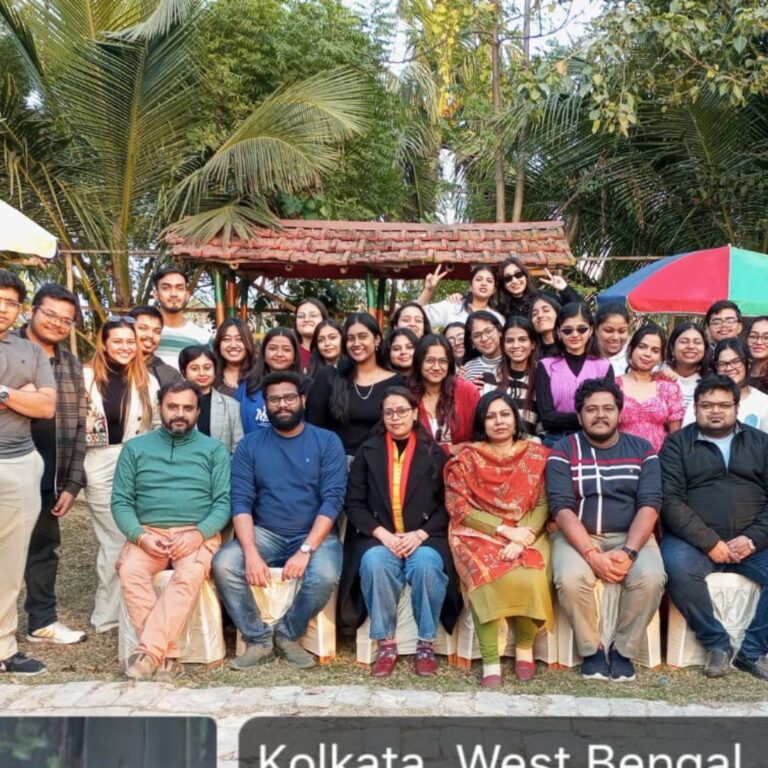
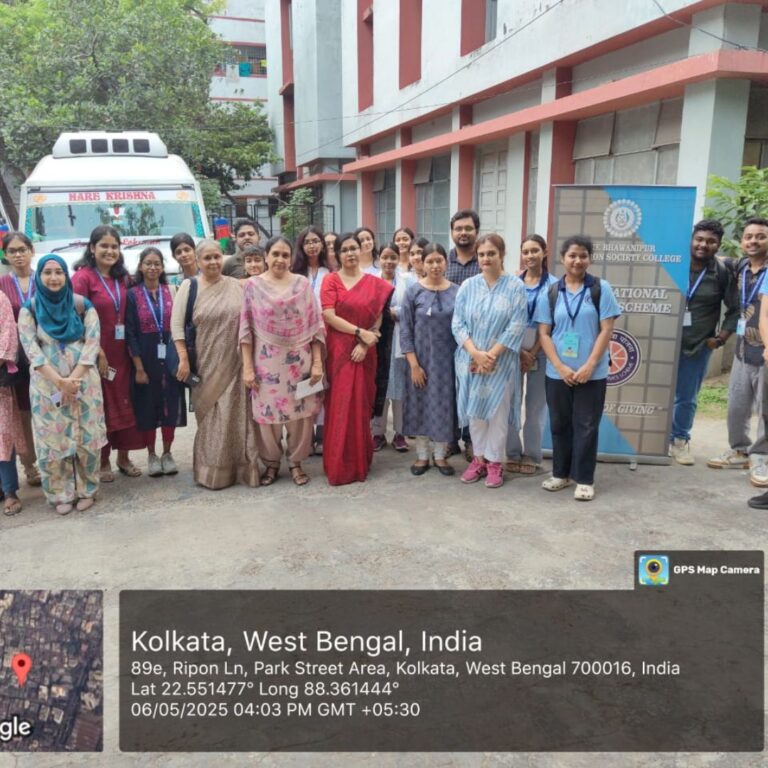
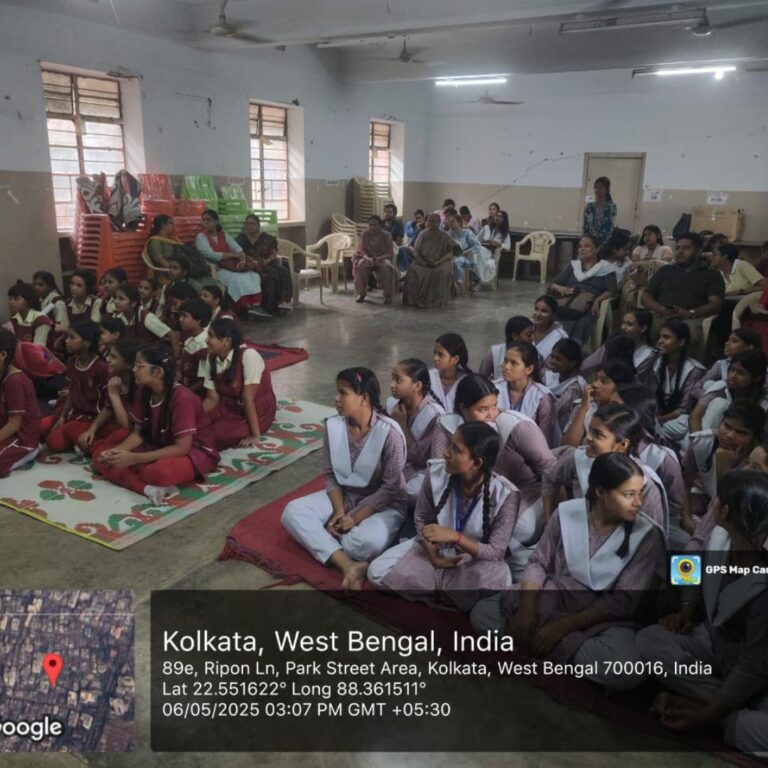
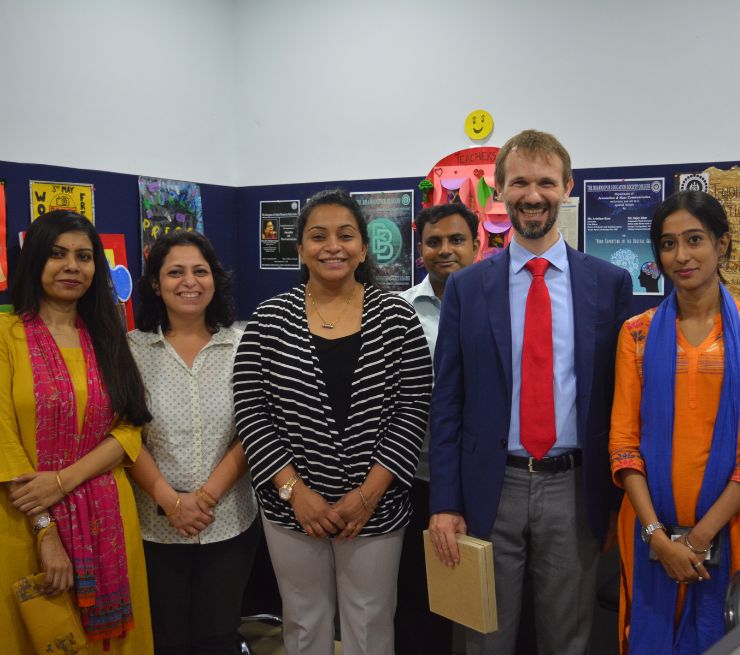
BESC’s B.A (H) Journalism & Mass Communication course is designed to strike the perfect balance between academic learning and real-world exposure. Alongside a strong foundation in the classroom, students benefit from industry mentorship, site visits, hands-on workshops, expert seminars, and insightful guest lectures. These experiences enrich their understanding, bridge theory with practice, and prepare them to confidently navigate professional environments.

Alumni Speak

The JMC programme at BESC shaped my understanding of media through practical exposure and critical thinking, balancing practical skills with strong academic foundations. Faculty guidance and hands-on experience with various projects enhanced my analytical abilities, preparing me for the evolving media landscape.
Abhinandan Modak
Abhinandan Modak

Batch of 2020-2023

The JMC department fostered strong academic exposure, supportive faculty mentorship, and practical learning. Like a family, it shaped my perspective and inspired my journey towards a successful career.
Anisha Kochar
Anisha Kochar

Batch of 2021-2024

I am grateful to the departmental faculty members for their insightful guidance and unwavering support, which have enhanced my skills, shaped my confidence, and helped me navigate my abilities.
Dhriti Mehta
Dhriti Mehta

Batch of 2024, Semester VI

My experience in the B.A. JMC course of BESC has been a rewarding one. The faculty is welcoming and genuinely interested in student growth. The programme itself offers academic as well as practical learning, encouraging an all-round development.
Raisa Chowdhury
Raisa Chowdhury

Batch of 2024, Semester VI

I spent three wonderful years studying JMC at BESC, with supportive professors, interactive seminars & workshops, and an internship that helped me gain real media industry experience.
Shaibalina Choudhury

Batch of 2017-2020

The JMC department at BESC combines theory with practical media training, improving our communication and editing skills. Faculty members create a very supportive environment through workshops and seminars which help us to gain knowledge and confidence.
Swastika Das
Swastika Das

Batch of 2025