About The Course

Did you listen with rapt attention as your high-school History teacher explained the ramifications of World War II? Do the mysteries of the past inspire you to understand them and, in so doing, change the present? Then this is the undergraduate programme for you. Our four-year Honours course covers a wide range of topics in Indian and World History — ancient, medieval and modern — and equips you for a career not just in academics, but also museum sciences, archaeology, government service, journalism, publishing, international humanitarian agencies and more.

DURATION

4 Years | 8 semesters

- 4 Years: UG Honours or,
- UG Honours with Research
- 3 Years: Bachelor’s Honours (exit option)

TIMING

10:15 am to 4:30 pm

Day session, Co-ed

Student Development Initiatives

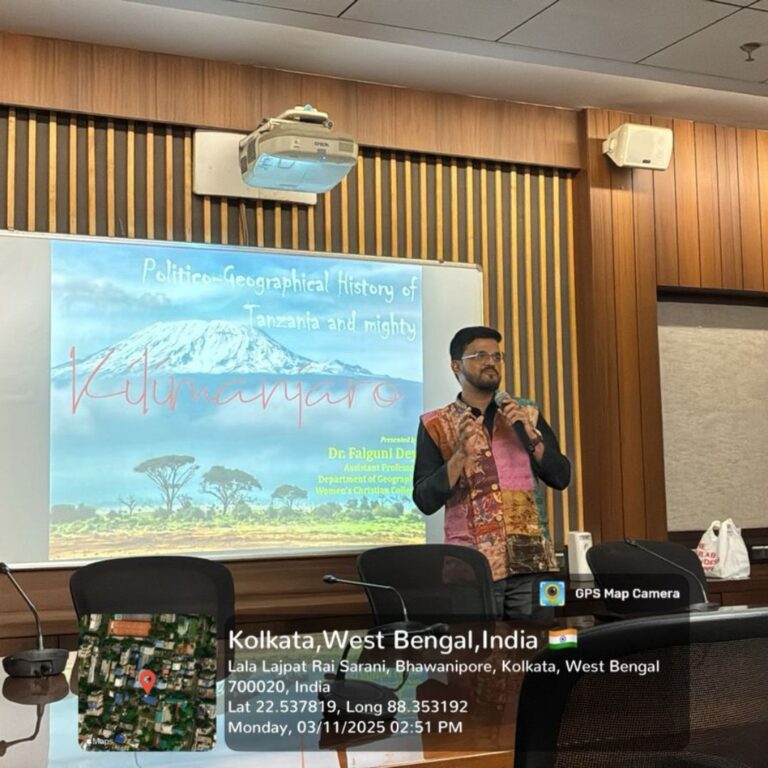
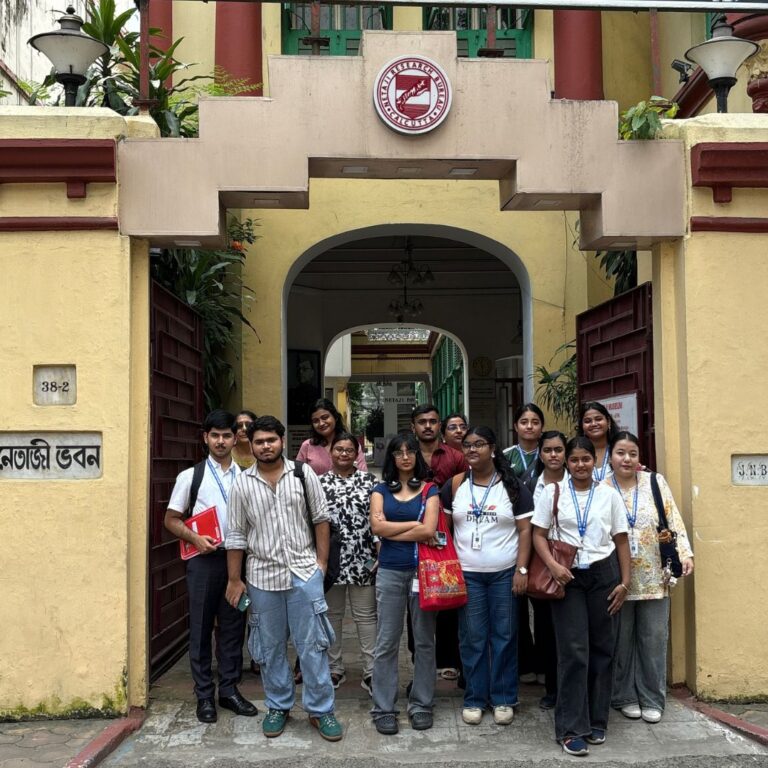
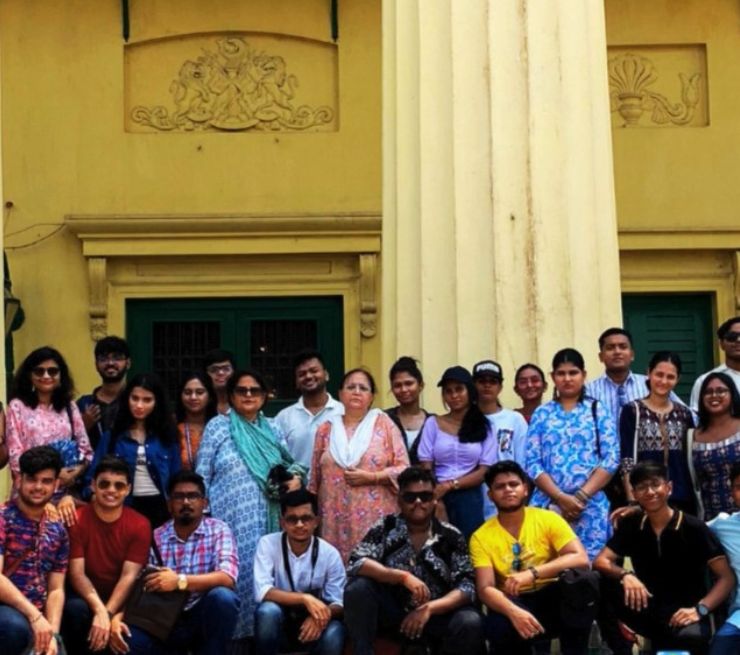
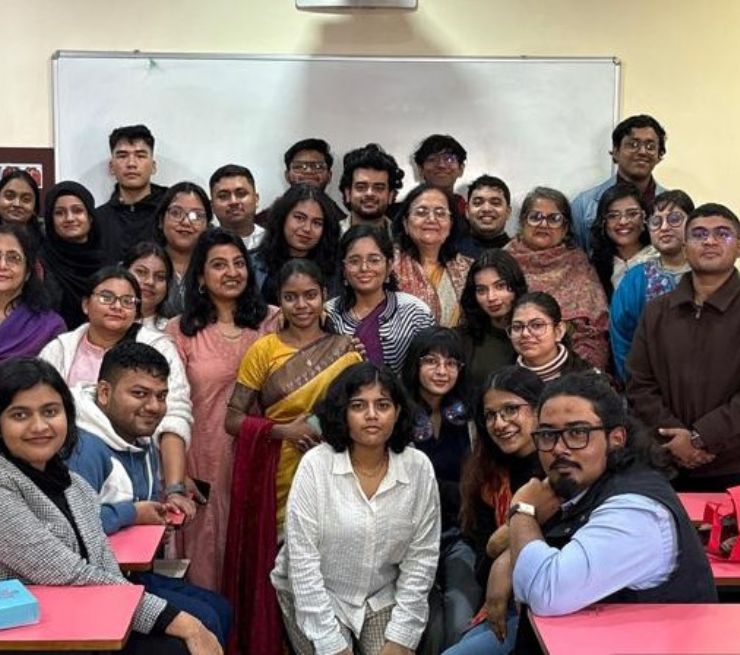
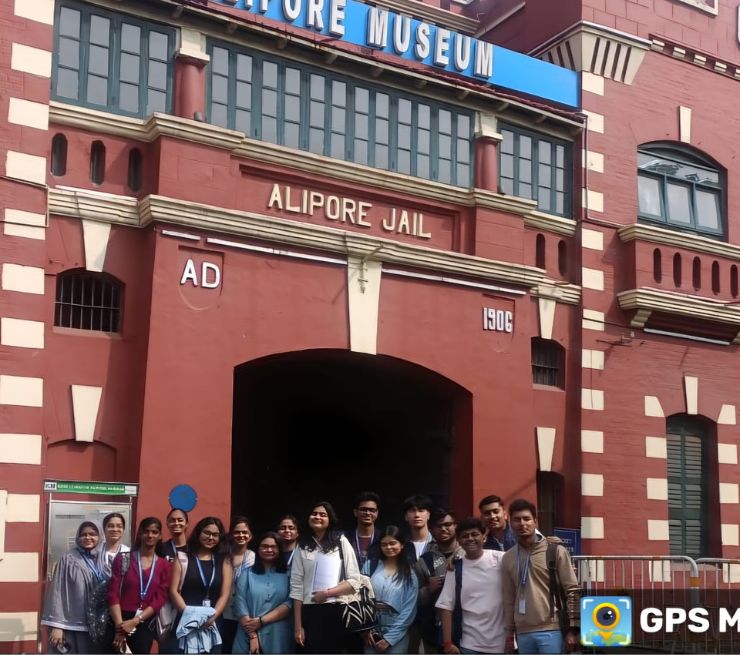
BESC’s B.A (H) History course focuses on overall student growth. Through mentoring, tutorials, site visits, workshops, parent-teacher interactions, and expert seminars, students gain guidance, exposure, and practical skills beyond the classroom.

  • Mentoring Programs
  • Tutorials & Remedial Classes
  • Student Presentations
  • Industry Visits
  • Well-Stocked Library
  • Expert Seminars

Innovative Teaching Methods

BESC’s B.A (H) History course uses modern teaching approaches to engage students, foster critical thinking, and build a love for learning. Flipped classrooms, ICT-enabled lessons, workshops, seminars, and regular assignments make learning interactive and practical.

  • Flipped Classroom
  • ICT-Enabled Teaching
  • Peer Students' Lecture
  • Regular Assignments
  • Hands-On Workshops
  • Lectures by academic luminaries

Course Information

A candidate taking up an Honours Course in a subject must have obtained, at the previous qualifying examination, a minimum of:

55% marks in History
OR,
45% marks in History + 50% marks in BO4

Note: Please also read General Eligibility Criteria, Under Admissions.


Course Code Name of Course Semester Marks
CC-1 History of India (From the Earliest times to C 300 BCE) 1 100
CC-2 Social Formations and Cultural Patterns of the Ancient World other than India 1 100
GE-1 History of India from the earliest times upto 300 CE 1 100
AECC-1 Compulsory English / MIL (Bengali/Hindi) 1 100
CC-3 History of India (c 300 BCE to c.750 CE) 2 100
CC-4 Social Formations and Cultural Patterns of the Medieval World other than India 2 100
GE-2 History of India from c.300 to 1206 2 100
AECC-2 ENVS 2 100
CC-5 History of India (c.750 – 1206) 3 100
CC-6 Rise of the Modern West –I 3 100
CC-7 History of India (c.1206 – 1526) 3 100
SEC -A-1 or SEC-A-2 Archives and museums or Understanding Heritage 3 100
GE-3 History of India from 1206 to 1707 3 100
CC-8 Rise of the Modern West – 11 4 100
CC-9 History of India (c.1526-1605) 4 100
CC-10 History of India (c.1605 – 1750s) 4 100
SEC -B-1 or SEC-B-2 Understanding Popular Culture or Art Appreciation: an Introduction to Indian Art 4 100
GE-4 History of India from 1707 to 1950 4 100
CC-11 History of Modern Europe (c.1780-1939) 5 100
CC-12 History of India (c.1750s– 1857) 5 100
DSE-A-1 or DSE-A-2 History of Bengal (c.1757-1905) or History of United States of America – I (c.1776 – 1945) 5 100
DSE-B-1 or DSE-B-2 History of Modern East Asia – I China (c.1840 – 1949) or History of Southeast Asia – The 19th Century 5 100
CC-13 History of India (c. 1857 – 1964) 6 100
CC-14 History of World Politics: (1945-1994) 6 100
DSE-A-3 or DSE-A-4 History of Bengal (c.1905-1947) or History of United States of America – II (c.1776-1945) 6 100
DSE-B-3 or DSE-B-4 History of Modern East Asia – II Japan (c.1868 – 1945) or History of Southeast Asia – The 20th Century 6 100

Choose Any Two

Education or Film Studies / Sociology / Political Science / Geography or Psychology or Journalism & Mass Communication / English / Economics / Bengali or Hindi

IDC 1

English, Political Science, Sociology, Journalism & Mass Communication, Bengali, Hindi, Education, Psychology, Geography, Film Studies

IDC 2

English, Political Science, Sociology, Journalism & Mass Communication, Bengali, Hindi, Education, Psychology, Geography, Film Studies, Statistics, Chemistry, Computer Science, Economics, Mathematics

IDC 3

English, Political Science, Sociology, Journalism & Mass Communication, Bengali, Hindi, Education, Psychology, Geography, Film Studies, Statistics, Chemistry, Computer Science, Economics, Mathematics

Career Prospects

Graduates can pursue postgraduate studies in English or related disciplines, teaching qualifications, or research degrees. Professionally, the programme builds strong communication and analytical skills valued across education, media, publishing, corporate communications, PR and the creative sector.

Civil Services & Public Administration

Utilizing a deep understanding of governance, policy evolution, and socio-political structures to excel in UPSC, State PCS, and other administrative roles.

Archival & Museum Management

Preserving heritage as an Archivist, Museum Curator, or Records Manager, handling the documentation and display of historical artifacts and digital records.

Heritage Tourism & Conservation

Working with organizations like the ASI, UNESCO, or private heritage firms as a consultant, conservationist, or specialized heritage tour manager.

Archaeology & Field Research

Pursuing specialized roles in excavating and analyzing physical remains to reconstruct past civilizations (often following a PG specialization).

Academic Research & Teaching

Shaping future generations as a History educator in schools (with B.Ed) or as a Professor and Researcher in higher education.

Legal Profession

Using the skills of evidence analysis, logical reasoning, and case-building as a foundation for a successful career in Law (LLB).

Policy Analysis & Think Tanks

Working with NGOs and governmental organizations to analyze historical trends that inform modern public policy and international relations.

Historical Journalism & Documentaries

Serving as a subject matter expert, fact-checker, or script consultant for news agencies, historical publications, and production houses like Discovery or National Geographic.

Information Management & Library Science

Organizing vast amounts of data and information for universities, corporate libraries, or digital repositories.

FAQs*

A degree in history is crucial in informing and instructing students about interpreting human identities and discovering the wide transformations that have affected human societies and civilizations. The skills transferred to the students pursuing a bachelor’s degree in history is foundational for them to uncover, analyze and critically interpret the various events happening around them in contemporary times (not to mention past historical events). In today’s day and age when we are inundated with an information overload, not to mention, conflicting and oftentimes misinformation, a degree in history will help students learn to comprehend, differentiate, and place historical facts and arguments in a concise, coherent manner. Students will learn to treat historical sources with caution and build narratives to understand individuals, communities, societies, nations, and states in a contextual manner.

A degree in history provides us with an expansive view of human society, and civilization, as well as the development of human rights and individual enterprise and challenges. Every aspect of human life has during centuries become the universal history of mankind, depicting man’s achievements in every field of life-political, economic, social, cultural, scientific, technological, religious and artistic, etc., and at various levels-local, regional, national, and international. A history degree helps students understand the history of every academic discipline – art, science, geography, religion, psychology, philosophy, education. Its wide forays in interdisciplinary strands help us better understand our societies and the world around us.

A degree in history opens opportunities for students in numerous career options: as teachers of history in schools, colleges, and universities to archaeologists, museum officers, heritage conservationists to researchers affiliated to think tank organisations. Being a core academic subject, a background in history helps students who are interested in pursuing a career in public administration or in public policy. A background in history also opens avenues for future employment in journalism (and historical journalism) in particular.

After a BA in history, students can opt for a master’s degree (M.A). Following this they can always opt for a specialized research degree (PhD).

A degree in history also helps students pursue career options in corporate offices in the role of a human resource officer. A background in humanities helps students develop empathy, sophisticated thinking, and problem-solving abilities – all crucial for a job in the corporate world.

Students who have had a bachelor’s in history have an inherent advantage when opting for competitive exams like West Bengal Civil Services, Union Public Service Commission, or regional civil service exams. They are also at an advantage when opting for government service examinations.

Students who may find themselves drifting away from the discipline of history can always switch their careers to public policy, administration, or corporate jobs as enumerated above.

* Frequently Asked Questions

Beyond the Classroom

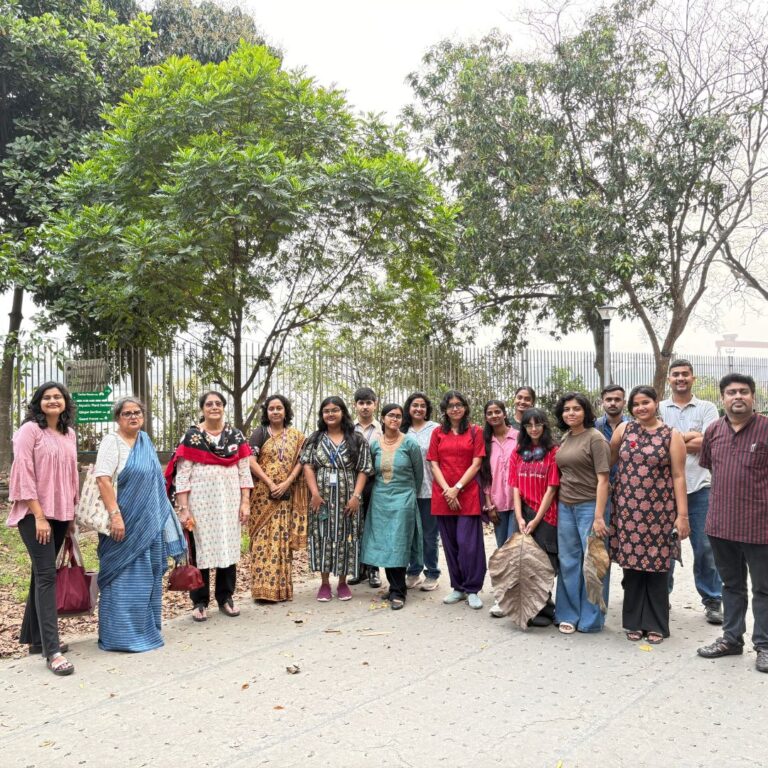
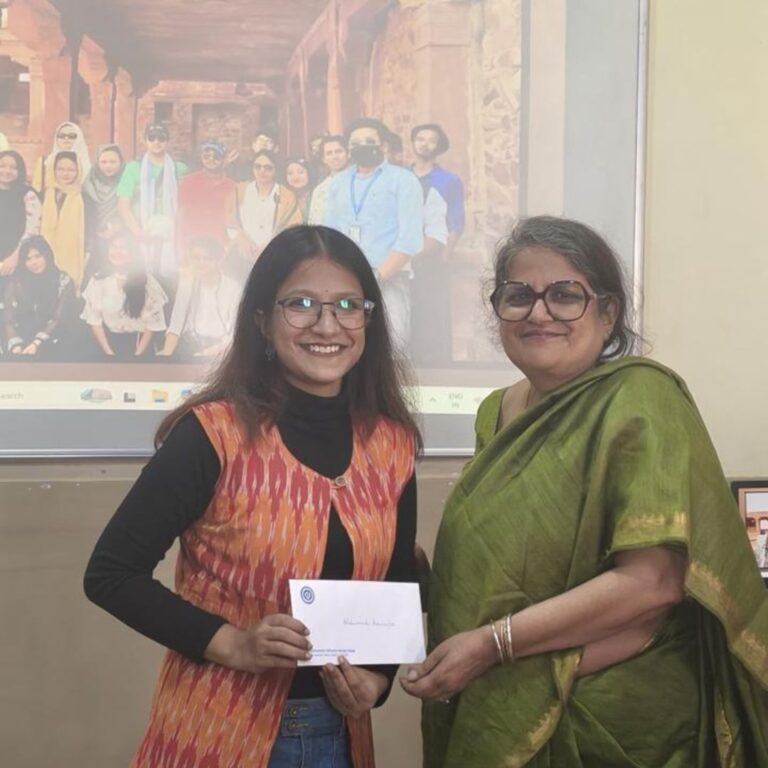
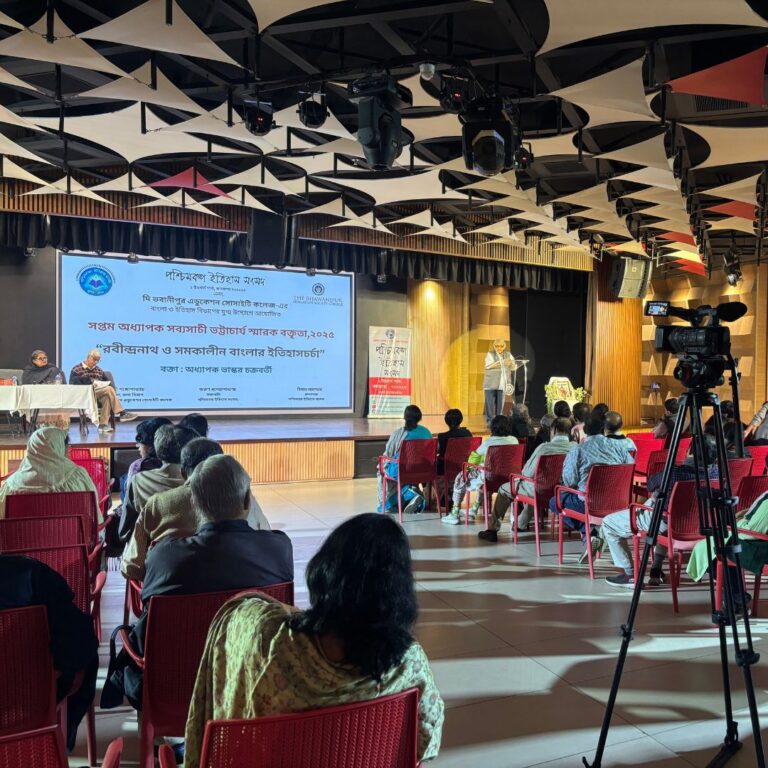
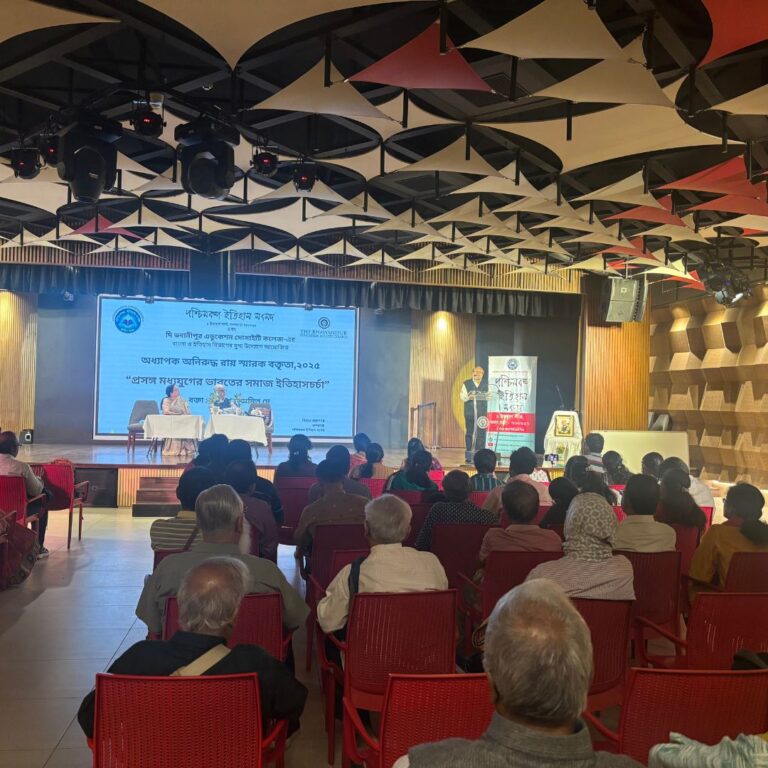
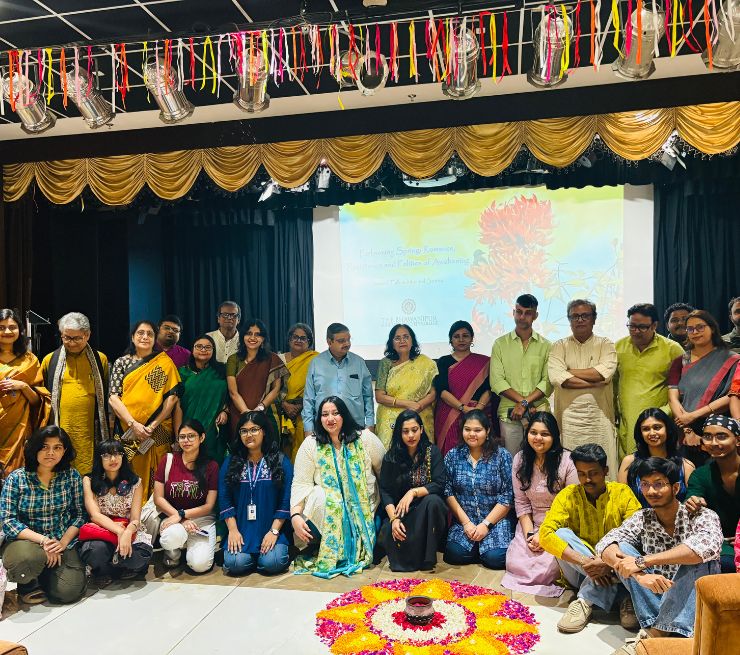
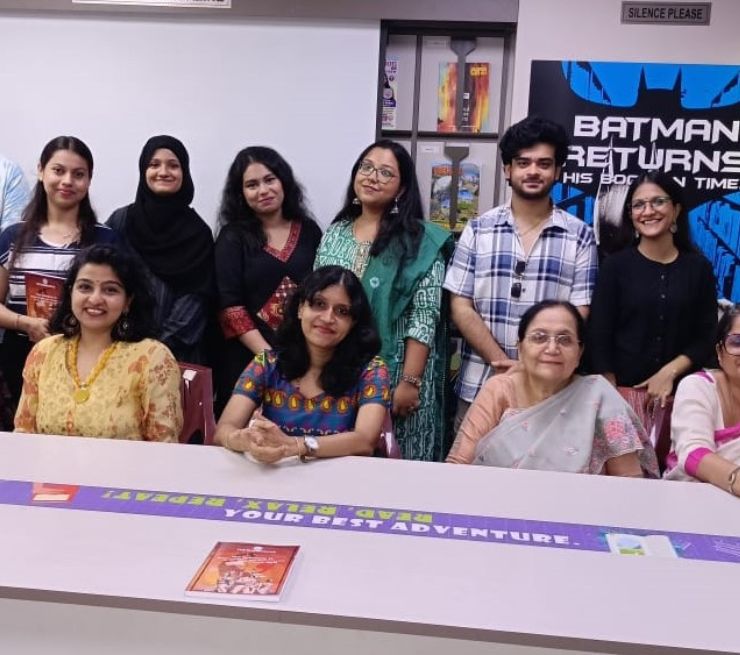
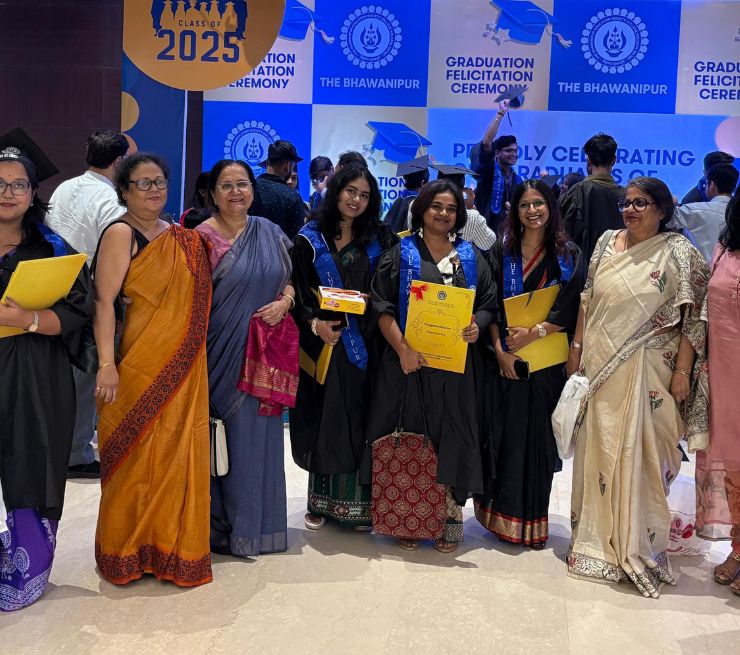
BESC’s B.A (H) History course is designed to strike the perfect balance between academic learning and real-world exposure. Alongside a strong foundation in the classroom, students benefit from industry mentorship, site visits, hands-on workshops, expert seminars, and insightful guest lectures. These experiences enrich their understanding, bridge theory with practice, and prepare them to confidently navigate professional environments.

Alumni Speak

The teachers were extremely supportive and inspiring, their guidance shaped my critical thinking and academic confidence. The learnings remain valuable even in my present academic journey.
Alakananda Banerjee
Alakananda Banerjee

BA History (Hons), Batch of 2025

The B.A History programme shaped my analytical, critical, and research skills. Pursuing History. It instilled in me a deeper attitude in connecting historical contexts with contemporary issues.
Shivangi Srivastava
Shivangi Srivastava

B.A. History Honours, Batch of 2025

The annual seminar organised by the History Department has been a major area where I could learn lot of things, it was indeed a great experience.
Rangini Siddhanta
Rangini Siddhanta

Batch of 2025

The launch of the departmental journal Vox Scholaris II was a well organised and inspiring event and moment of pride. The alumni meet was also overwhelming.
Nahid Naaz
Nahid Naaz

BA History (Hons), batch of 2024

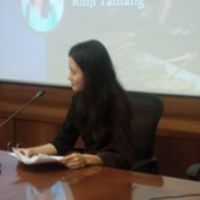
The annual history department seminar where I presented a paper helped me build my confidence, improve my speaking skills and gain a deeper appreciation for the food history of the North East.
Rinji Tamang
Rinji Tamang

Currently Sem V, History Dept

Presenting an academic paper at the annual seminar was a completely new experience for me. I got to know a lot about research reading and writing a professional paper.
TAKSH KANT
Taksh Kant

BA History (Hons.) currently Sem III